




Product Details
Product Overview
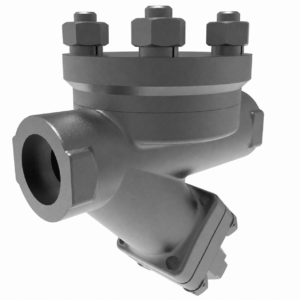
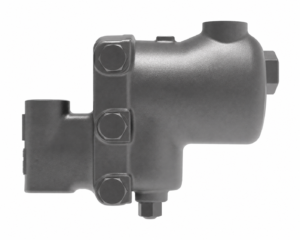
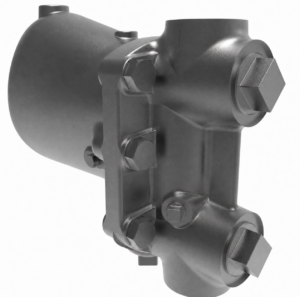
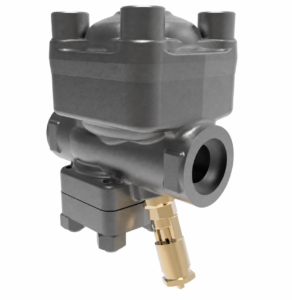
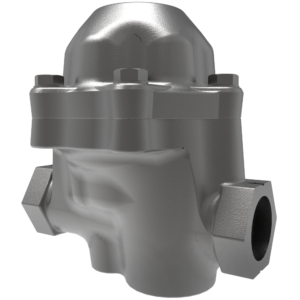
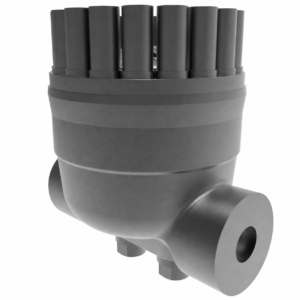
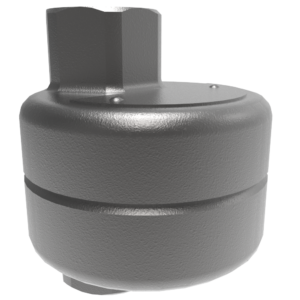
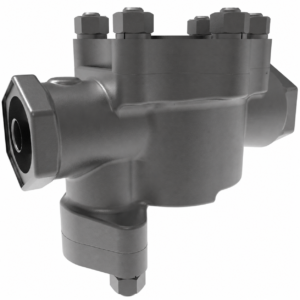
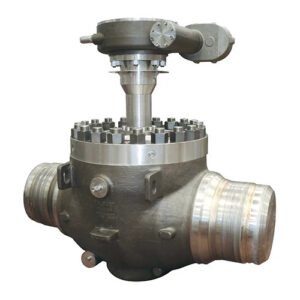
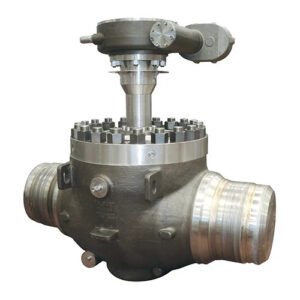
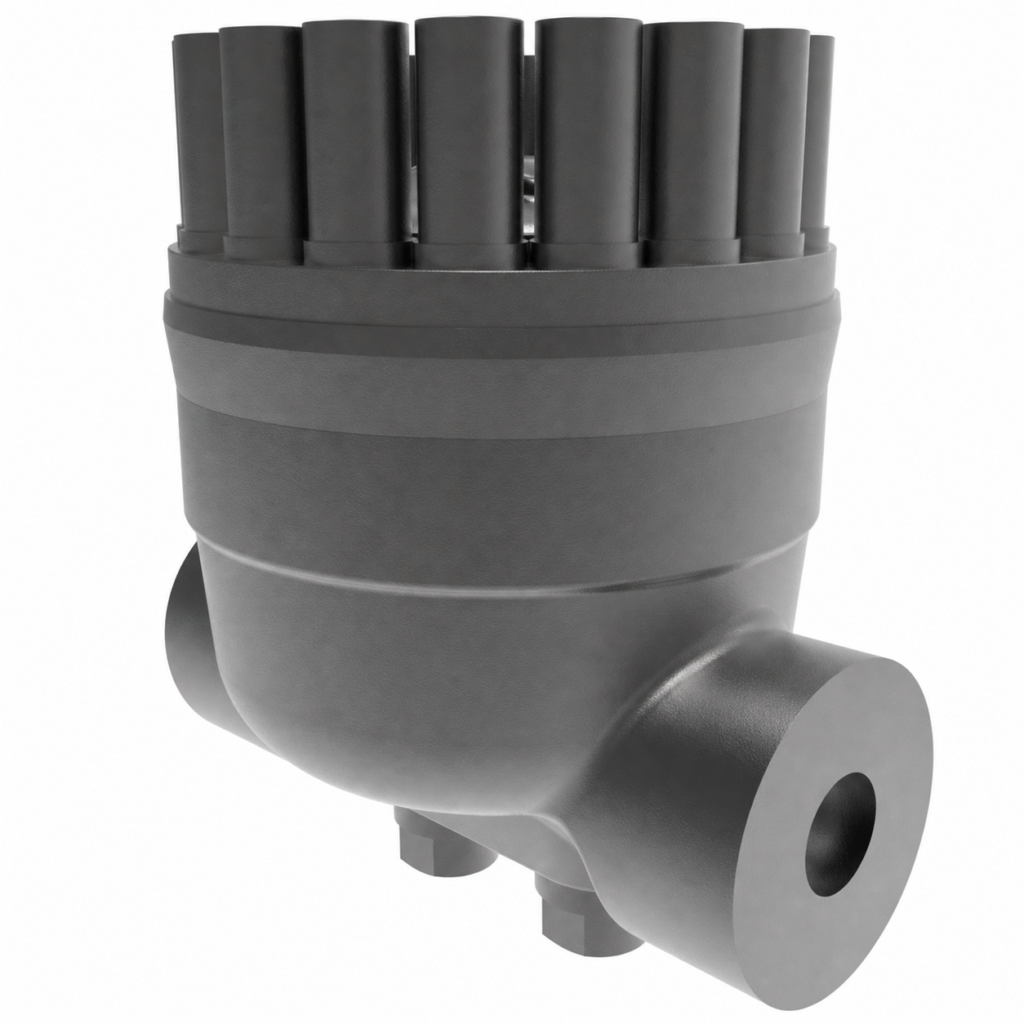
CVS-04 is intended for severe-duty steam systems where strength, pressure capability, and reliable condensate drainage are essential. The forged body and cover provide a rugged platform for service points that face elevated operating demands and frequent thermal cycling. The Forged High-Pressure Steam Trap is intended for industrial steam and condensate duties where reliable discharge, stable operation, and practical maintenance access matter. In plant service, a steam trap is expected to move condensate efficiently, respond to load changes, and remain easy to understand for operators and maintenance teams. This product family is positioned for exactly that type of work. It combines a compact industrial body with service-focused internal design choices that support consistent drainage and easier installation across repeated service points. The result is a trap that can be used on process equipment, utility headers, and branch drains without adding unnecessary complexity to the piping layout. For teams standardizing a steam system, a trap like this is useful because it keeps the service logic simple while still allowing the selection to be matched to the real operating conditions on site.
Construction and Operating Notes
Selection starts with the operating envelope. The available size range of NPS 1/2 – 1 (DN 15 – 25) helps define where the product can be applied, while the pressure capability of ASME class up to 4500; PMO up to 4500 psi sets the working range for the service. The standard connection options of Socket weld, Threaded, Butt weld, Flanged make it easier to match the trap to the piping standard already used on site. The listed operating concept for this model is forged steam trap for superheated steam service, and the construction style is best described as forged valve body and cover; stainless steel trim; spiral-wound gaskets with graphite. In practical use, that means the trap is designed to handle repeated thermal cycles, condensate flow changes, and the normal wear that comes with industrial steam service. For maintenance teams, accessible internal parts and repeatable construction are important because they reduce troubleshooting time and make planned service easier to manage. Forged body and cover provide high strength and structural integrity for steam service. The design is positioned for superheated steam and high-pressure applications. Welded-in CoCr alloy seats support wear resistance in severe duty. Together, these details help the product fit into standard steam-system practice rather than forcing a custom solution for every drain point.
Why It Works in Real Plants
Across a working plant, the value of a steam trap is not only in its nominal rating but in whether it keeps doing a simple job well over time. The Forged High-Pressure Steam Trap is meant to support that expectation by giving teams a practical industrial-grade option for condensate removal. It is suitable for locations where space is limited, where drainage consistency matters, and where operators want a product family that can be repeated across similar service points. Service type: Forged high-pressure steam trap for superheated steam. Body style: Forged body and cover with stainless steel trim. Pressure rating: ASME class up to 4500; PMO up to 4500 psi. When the actual process conditions are reviewed early, the product can be matched more accurately to the service requirement, which helps reduce surprises during startup and later maintenance. For procurement teams, that means easier standardization; for engineering teams, it means a clearer specification path; and for technicians, it means a familiar product layout that is easier to inspect, install, and replace when needed. straightforward service access Also, where relevant, the listed options of npt blowdown plug, strainer blowdown valve, piping king unit with valving can help tailor the final configuration to the specific plant requirement.
Selection Notes for Buyers
To select the best configuration, review the line size, installation space, connection standard, and the expected steam or condensate conditions. Consider whether the service is continuous or intermittent, whether the line sees frequent load swings, and whether the trap will be installed on a main line, equipment branch, or utility point. The right answer depends on the complete operating picture, not just one value on the drawing. For replacement work, matching the existing end connections and size range can simplify shutdown planning. For new projects, standardizing the Forged High-Pressure Steam Trap where the duty is similar can help keep the bill of materials more organized and reduce variation across the condensate system. If the application requires freeze resistance, backflow protection, water-hammer tolerance, or a specific temperature-control option, those requirements should be checked against the source specifications and the site operating conditions before final selection.