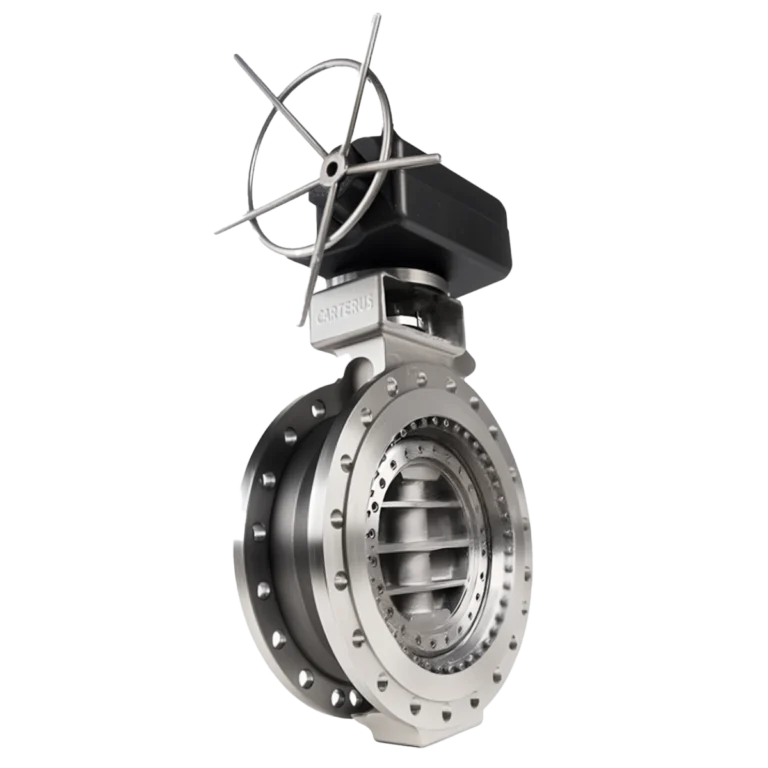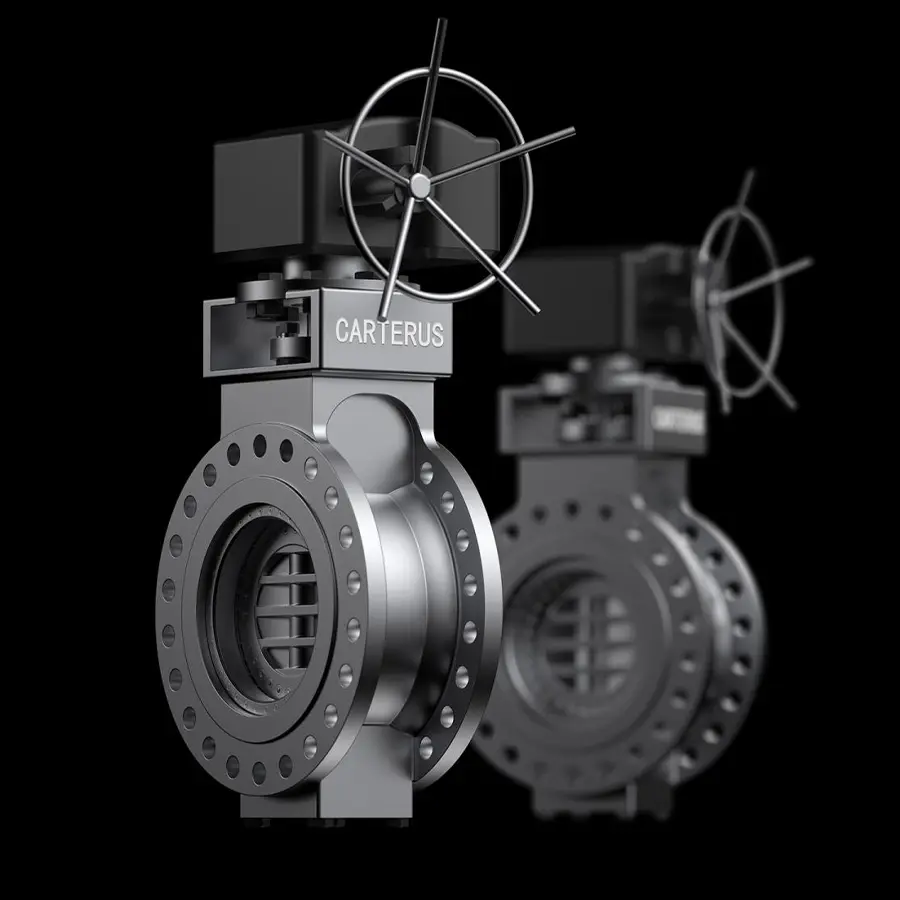

CARTER Butterfly Valves
Carter Valve manufactures industrial butterfly valves for isolation and control in water, HVAC, oil & gas, chemical processing, power, and general industrial piping. We supply standard resilient-seated designs as well as engineered platforms for high-temperature, high-cycle, and tight-shutoff duties—supported by clear documentation, material traceability options, and application review based on your service conditions.
As a manufacturer of Butterfly valve solutions, Carter Valve offers a comprehensive range of butterfly valve types designed for different operating conditions and performance requirements.
Our product range includes general service butterfly valves for standard applications, high-performance butterfly valves for elevated pressure and temperature, triple offset butterfly valves for zero-leakage critical systems, and metal-to-metal seated butterfly valves for high-temperature or abrasive media environments.
Selecting the correct butterfly valve is not just about the product type. It depends on multiple working conditions, including:
Media characteristics (corrosive, abrasive, clean, etc.)
Operating temperature range
Pressure class and system requirements
Cycle frequency and operation mode
Acceptable leakage rate
A mismatch in any of these factors can lead to performance issues or reduced service life.
By aligning valve design with real project conditions, we help you achieve:
Reliable shutoff with the correct seat and sealing configuration
Stable operating torque matched to your actuator and control system
Longer service life by avoiding common misapplications
Clear procurement decisions supported by structured documentation
For projects with specific requirements, we provide customized configurations and a structured selection process to ensure the valve fits your system from both technical and operational perspectives.
A butterfly valve is a quarter-turn rotary valve that uses a circular disc to start, throttle, or stop flow. Compared with many multi-turn valves, butterfly valves are usually lighter, more compact, and faster to operate, which is why they’re common in mid-to-large line sizes.
Core parts (quick glossary)
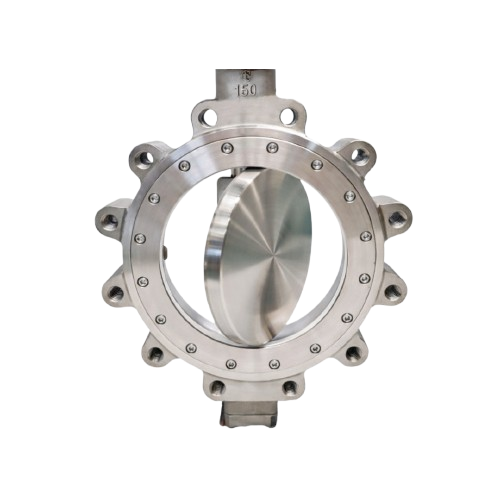
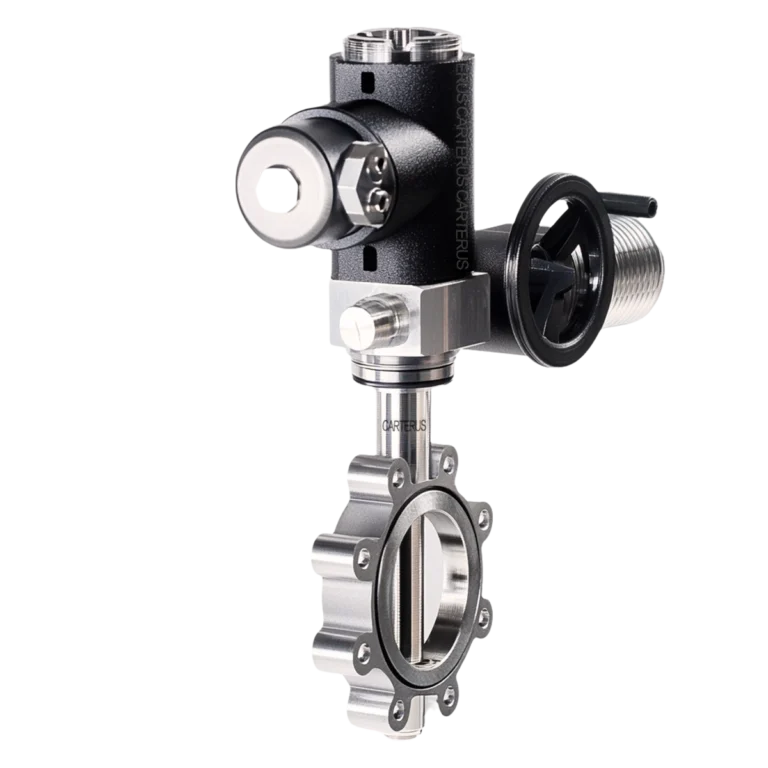
Body: wafer / lug / flanged—connects the valve to the pipeline
Disc: rotates to control flow
Stem/Shaft: transfers torque from handle/gear/actuator to disc
Seat / sealing system: resilient seat or metal sealing surfaces (depends on duty)
Bearing & packing: support the stem and manage external leakage
Actuation: lever, gear operator, pneumatic, electric, hydraulic (based on torque + duty cycle + fail-safe needs)

Butterfly valves operate by rotating the disc 0–90°:
0° (closed): disc blocks the flow path; sealing system provides shutoff
90° (open): disc aligns with flow; minimal pressure drop for many designs
In-between: disc partially obstructs the flow for throttling (best practice depends on valve type and cavitation/erosion risk)
Why quarter-turn matters
Fast operation for isolation
Simple actuation and automation
Predictable control response (when sized and selected correctly)
Butterfly valve are widely used for flow control and isolation in a variety of industrial systems. Thanks to their compact design, fast operation, and reliable sealing performance, butterfly valves are a preferred solution in industries requiring efficient and cost-effective flow regulation.
Different applications require different valve types, materials, and sealing designs. Selecting the right butterfly valve depends on working conditions such as pressure, temperature, media, and system requirements.

In water supply, wastewater treatment, and desalination plants, butterfly valves are widely used for regulating and isolating flow due to their lightweight design and ease of operation.Resilient seated butterfly valves are often preferred for their corrosion resistance and cost efficiency in low to medium pressure systems.

Chemical processing systems require valves that can handle corrosive media, high temperatures, and continuous operation.PTFE-lined butterfly valves and metal seated butterfly valves are commonly used to ensure chemical resistance and long-term sealing performance.
In power plants, butterfly valves are used in steam systems, cooling water circuits, and flue gas treatment systems.Applications often involve high temperature and pressure conditions, making double offset and triple offset butterfly valves the preferred choice.
Butterfly valves are commonly used in upstream, midstream, and downstream oil and gas operations, including pipelines, refineries, and offshore platforms.For high-pressure and high-temperature environments, high performance butterfly valves and triple offset butterfly valves are typically selected to ensure zero leakage and fire-safe operation.
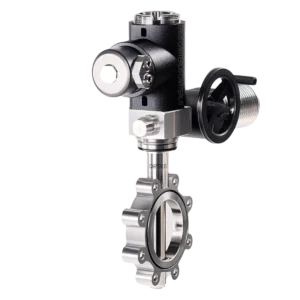
The most common category is the general service, resilient-seated butterfly valve, typically chosen for water, HVAC, and other moderate conditions where compact size and cost-effective isolation matter. In these applications, the main selection logic is usually seat compatibility, pressure class, and ensuring the disc/seat arrangement suits the flow direction and installation details. When applied within its limits, this type is straightforward to automate and maintain.

For more demanding isolation and cycling requirements, many projects step up to high-performance butterfly valves, which use more robust sealing strategies and offset geometries to improve how the valve seals under differential pressure and repeated operation. This family is often selected when temperatures, shutoff expectations, or cycling frequency are higher than what general service designs handle comfortably—especially when the valve must remain stable over time rather than only passing a shutdown test on day one.

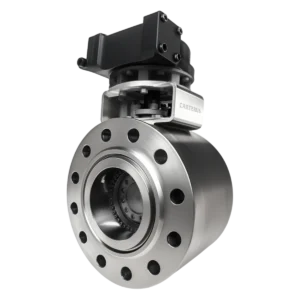
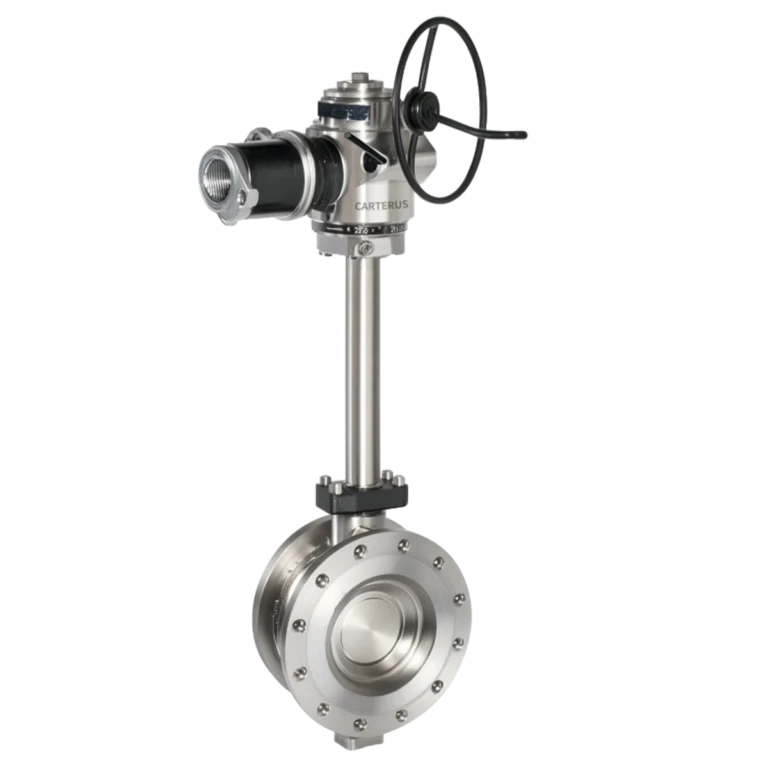
When elastomer seats are not suitable—such as higher temperatures, more severe cycling, or cases where metal sealing is preferred—projects may use metal-seated solutions, including triple offset butterfly valves. These designs are commonly specified for tougher isolation duties, but they also demand more disciplined specification: surface requirements, torque planning, and installation alignment can strongly influence real-world sealing and longevity.

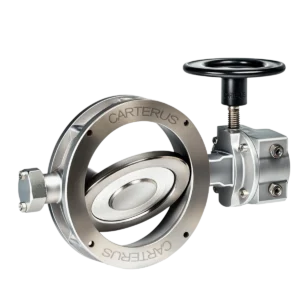
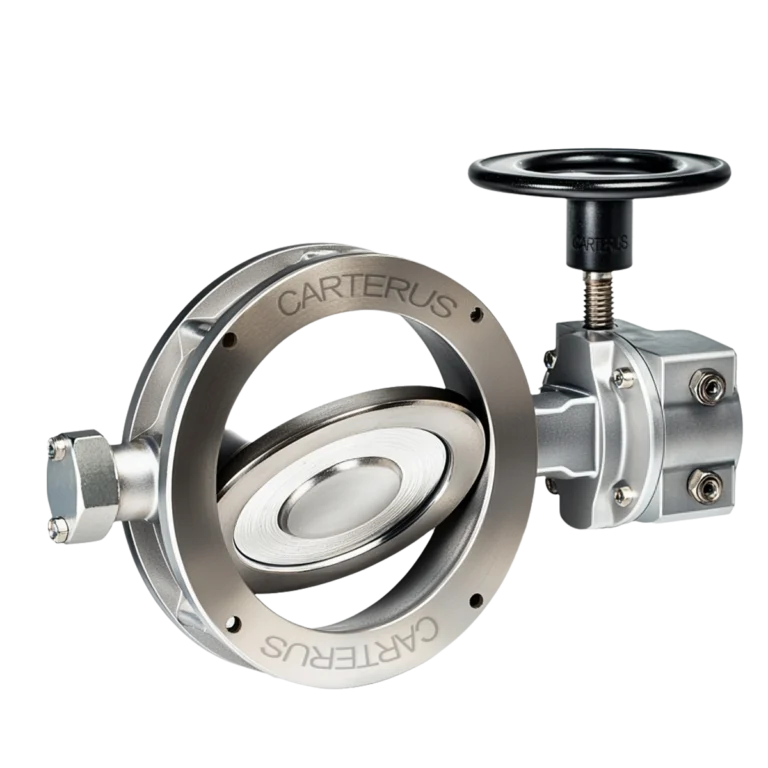
Carter’s featured direction—the six-eccentric butterfly valve—sits in this “engineered isolation” space, intended for projects that want a butterfly-format valve but need a higher level of sealing stability and operational robustness than standard general service designs. In practice, it is usually evaluated when shutoff performance and cycling reliability are priorities, and when the selection must account for the full duty profile (pressure at shutoff, temperature range, media, and actuation strategy) rather than only line size and connection type.

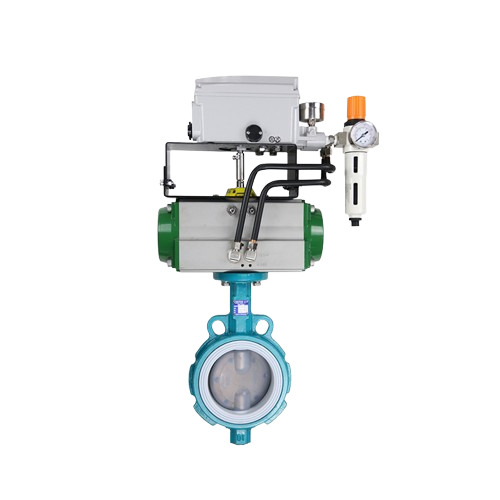
General Service butterfly valves are designed for everyday isolation duties—often with a resilient seat—where temperatures and pressure classes are moderate and the media is clean or mildly challenging.
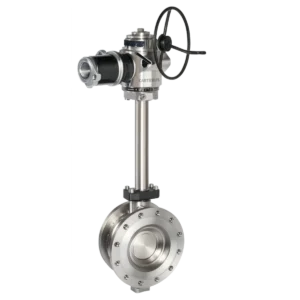
High-Performance butterfly valves are designed to handle higher temperature/pressure ranges, tougher cycling, and more demanding shutoff expectations by using an offset geometry and more robust sealing systems. In many real projects, high-performance designs reduce risk when you need repeatable shutoff under differential pressure or when temperature swings make standard resilient seats less stable.
Send us a message if you have any questions or request a quote. Our experts will give you a reply within 24 hours and help you select the right valve you want.