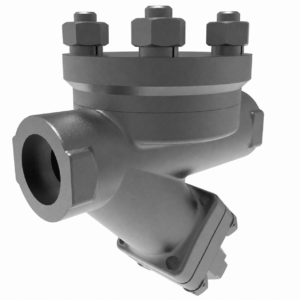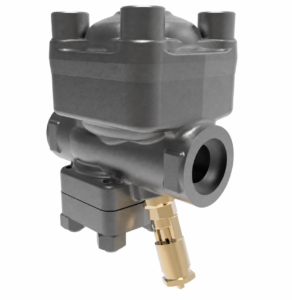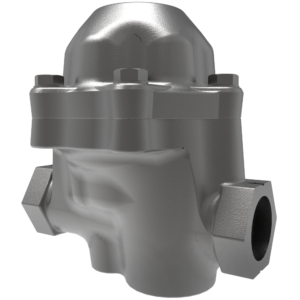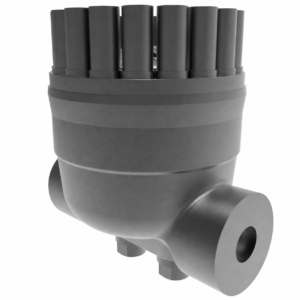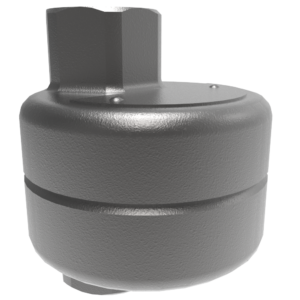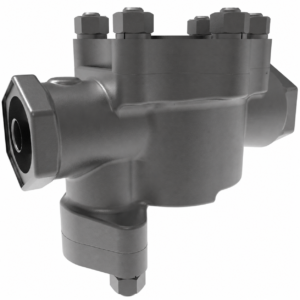





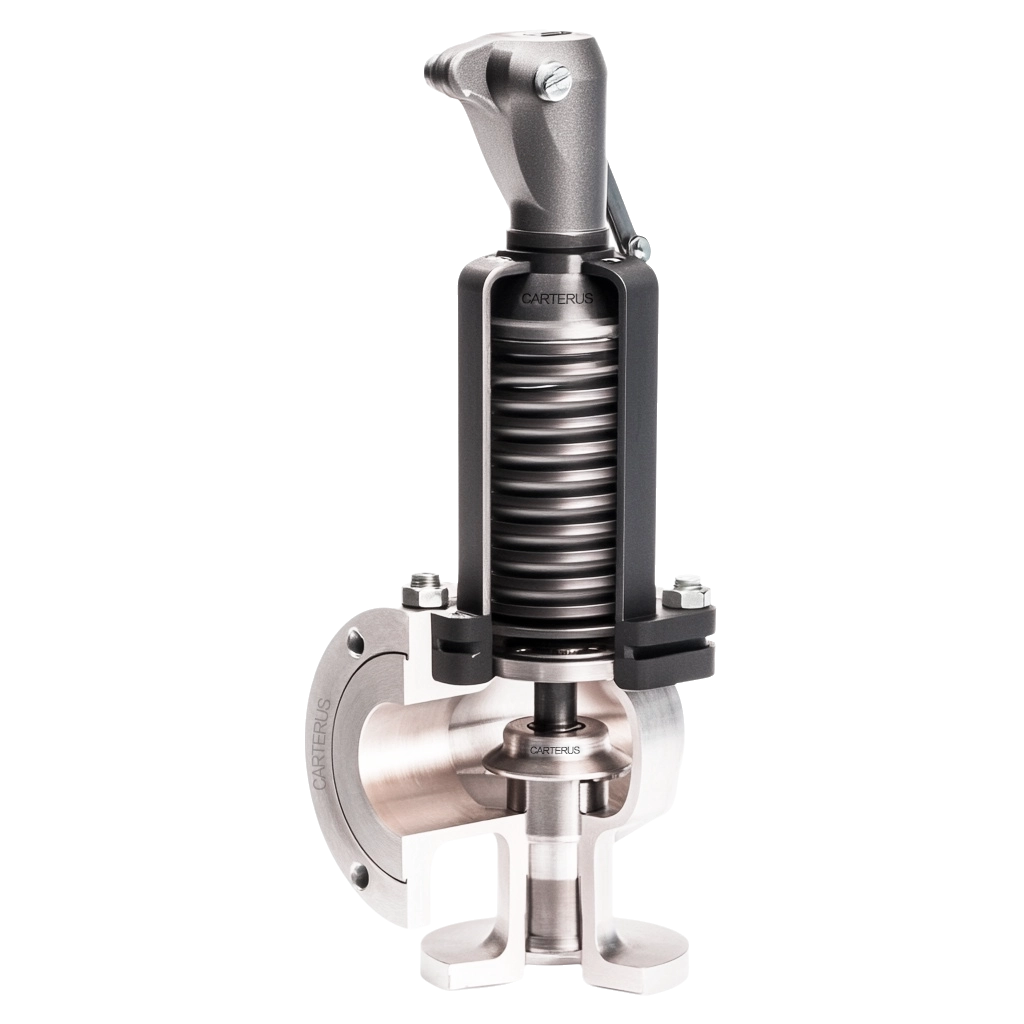
General-Purpose Full Lift Safety Valve (Closed Bonnet, Flanged)
A full lift safety valve is a critical protective device for pressure equipment. When system pressure approaches the set pressure, the valve’s full-lift mechanism enables a fast, near-instant opening to maximum lift. This rapid full opening creates a high-capacity discharge path, allowing excess pressure to be released quickly to reduce the risk of equipment damage, leakage incidents, and unplanned shutdowns.
Why full-lift matters in real operation
In many industrial systems, pressure can rise faster than operators can respond—especially during upset conditions such as blocked outlets, control valve failures, thermal expansion, or rapid phase changes. A full-lift design is preferred when the process requires:
- Fast response to overpressure
- High relieving capacity to stabilise system pressure quickly
- Predictable opening behaviour with repeatable performance
This model uses a closed bonnet design, which helps isolate the spring chamber from environmental influences and the process medium. In practical terms, closed bonnet construction supports more stable performance where external contamination, moisture, or corrosive atmospheres could otherwise affect internals. It also reduces the likelihood of media-related issues around the bonnet area, improving operational safety and site cleanliness.
Compliance and certification (procurement-ready)
This valve is designed and certified to meet commonly specified European requirements:
- VdTÜV
- AD2000-A2
- EN ISO 4126-1
For many EPC, plant owners, and auditors, these references are not “nice to have”—they are often mandatory for acceptance, documentation packages, and commissioning.
Typical applications and suitable media
This general-purpose full lift safety valve is suitable for a wide range of services, including:
- Steam systems and boilers (where rapid relieving is essential)
- Aggressive gases and vapours
- Liquids requiring dependable overpressure protection
Common industries and use cases include utilities, chemical processing, general manufacturing, and thermal systems where operating conditions vary and reliability is a priority.