





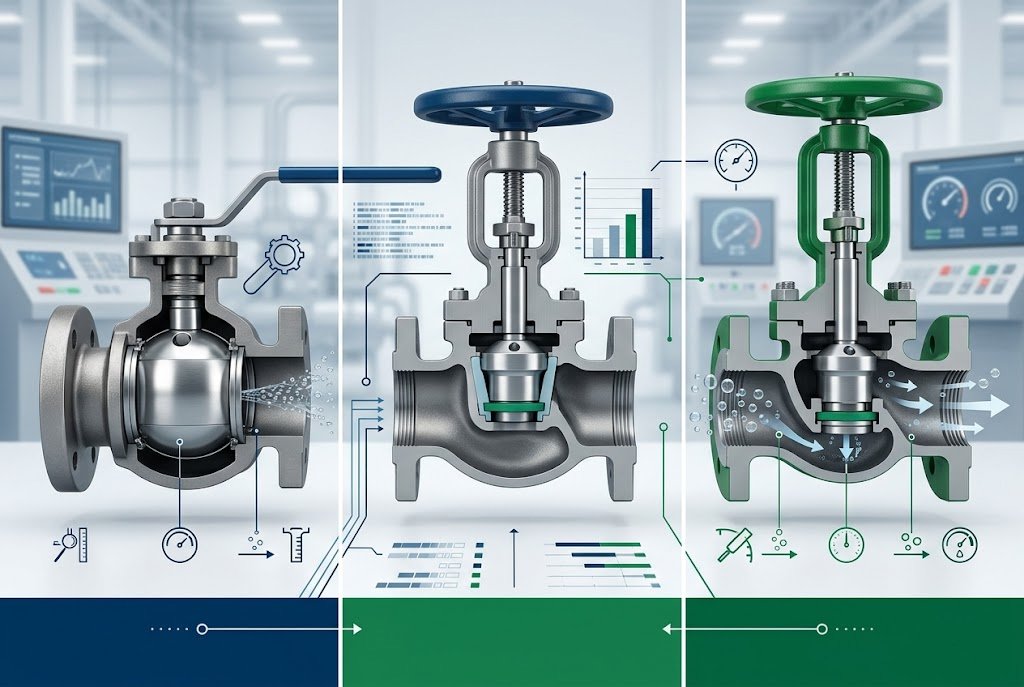
In de industriële fluid control sector worden termen als “lekvrij”, “bubbeldicht” en “klasse VI afsluiter” vaak gebruikt tijdens inkoopvergaderingen en technische datasheets. Voor een ingenieur die afsluiters test, betekenen deze termen echter heel verschillende dingen. Bij het specificeren van een isolatieklep, de verkeerde eisen lekkageklassen van kleppen kan leiden tot enorm opgeblazen projectkosten of, omgekeerd, tot een catastrofale mislukking bij het isoleren van een gevaarlijke pijpleiding.
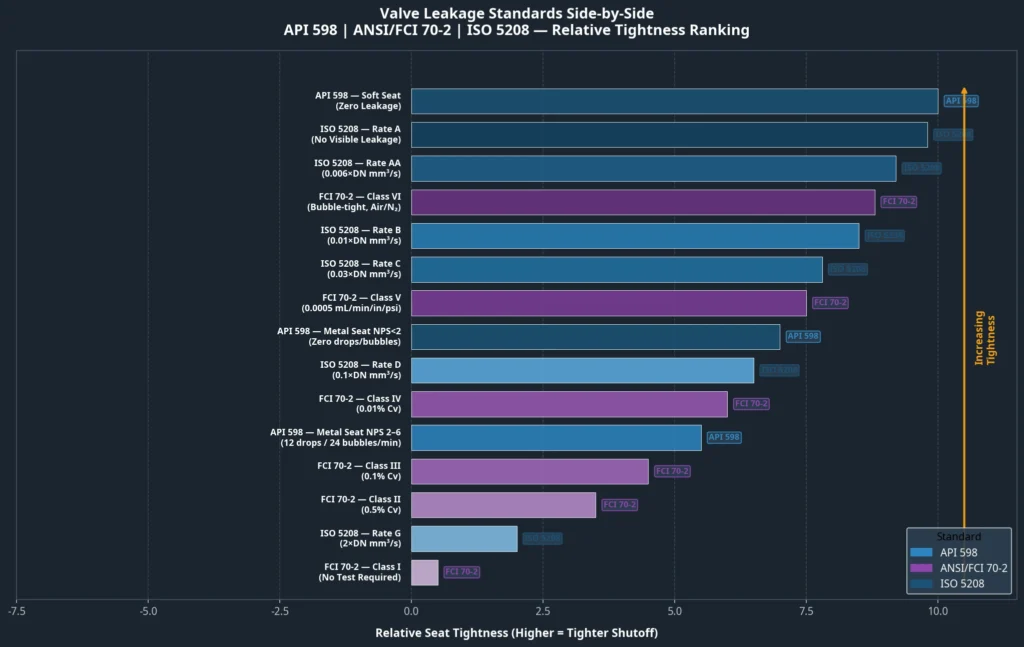
De verwarring concentreert zich bijna altijd rond de drie meest dominante teststandaarden in de industrie: API 598, ANSI/FCI 70-2, en ISO 5208. Elke norm is ontwikkeld voor een ander type afsluiter, een andere technische filosofie en een andere regionale context. Toch worden ze alle drie routinematig aangehaald in dezelfde inkoopspecificatie, vaak zonder een duidelijk begrip van hun onderlinge relatie.
Een veelgemaakte en kostbare fout is het toepassen van een isolatieklep standaard (API 598) op een modulerende regelklep, of het niet begrijpen van het cruciale verschil tussen FCI 70-2 Klasse IV en Klasse VI afsluitmogelijkheden. In deze uitgebreide technische gids zullen we de exacte testprocedures van API 598, ANSI/FCI 70-2 en ISO 5208 uitsplitsen, de grenzen van de lekkageklasse decoderen en een definitieve routekaart bieden voor het specificeren van de juiste norm voor uw leidingsysteem.
De Gouden Regel: Isolatie vs. Controle
Voordat u zich verdiept in de toegestane lekkages moet u de fundamentele verdeling in de afsluiterindustrie begrijpen. De norm die u kiest, wordt volledig bepaald door de primaire functie van de klep:
- Isolatiekleppen (aan/uit): Kleppen die ontworpen zijn om de stroom volledig te stoppen of toe te laten, zoals schuifafsluiters, klepafsluiters, terugslagkleppen, kogelkleppen en vlinderkleppen. Deze worden geregeld door API 598 en ISO 5208 [1].
- Regelkleppen (modulerend): Kleppen die zijn ontworpen om het debiet, de druk of de temperatuur te smoren en continu te regelen. Deze worden geregeld door ANSI/FCI 70-2 (gelijkwaardig aan IEC 60534-4) [2].
Verwachten dat een regelafsluiter exact dezelfde isolatiedichtheid bereikt als een specifieke blokafsluiter is een fundamentele technische mismatch. Regelkleppen hebben spelingen tussen bewegende delen nodig om wrijving en stiction te voorkomen tijdens continue modulatie, waardoor ze inherent vatbaarder zijn voor microscopische lekkage wanneer ze volledig gesloten zijn.
De tabel hieronder geeft een overzicht van de drie standaarden voordat we ze in detail bekijken:
| Functie | API 598 | ANSI/FCI 70-2 | ISO 5208 |
|---|---|---|---|
| Type primaire klep | Isolatie (Poort, Globe, Bal, Vlinder, Terugslagklep) | Modulerende regelkleppen | Alle metalen industriële afsluiters |
| Standaard behuizing | Amerikaans Petroleum Instituut (API) | Instituut voor vloeistofbeheersing (FCI) / ANSI | Internationale Organisatie voor Standaardisatie (ISO) |
| Filosofie testen | Binair geslaagd/afgekeurd per type en grootte stoel | Gelaagde lekkageklassen (I-VI) | Gegradueerde lekkagewaarden (A, AA, B-G) |
| Vereiste zachte zitting | Absoluut geen lekkage (0 druppels, 0 bellen) | Klasse VI (kleine bellen toegestaan) | Tarief A (geen zichtbare lekkage) |
| Vereiste metalen zitting | Op grootte gebaseerde druppels/belletjes per minuut | Klasse IV (0,01% van nominale Cv) | Debiet B-G (DN-proportioneel mm³/s) |
| Testmedium (primair) | Water; lucht/gas volgens afspraak | Lucht, water of stikstof | Water of gas (gedeclareerd per klasse) |
| Achterbank test | Vereist als functie bestaat | Niet van toepassing | Optioneel |
| Regionale dominantie | Noord-Amerika, API-gerichte projecten | Wereldwijd (regelkleppen) | Europa, internationale projecten |
| NL Uitlijning | Geen formele NL route | Geen formele NL route | Afgestemd op EN 12266-1 |
API 598: De isolatienorm
API 598 (Valve Inspection and Testing) is gepubliceerd door het American Petroleum Institute en is de meest gebruikte standaard voor het inspecteren en testen van afsluiters voor algemeen gebruik in Noord-Amerika en API-gerichte projecten wereldwijd [1]. De norm is onder andere van toepassing op kleppen die gemaakt zijn volgens API 6D (pijplijnkleppen), API 594 (terugslagkleppen), API 599 (plugkleppen), API 602 (stalen schuifafsluiters en terugslagkleppen), API 603 (corrosiebestendige schuifafsluiters), API 608 (metalen kogelafsluiters) en API 609 (vlinderkleppen).
De API 598-testprocedure
API 598 schrijft drie verschillende testtypes voor: de schelptest (controleren van de integriteit van de drukgrens), de zitting/sluitingstest (controle van de interne afdichting) en de achterbank test (alleen van toepassing op kleppen met een backseat ontwerp, zoals schuifafsluiters en klepafsluiters). Bij de zittingtest wordt één kant van de gesloten klep onder druk gezet en wordt de vloeistof gemeten die langs de zitting naar de andere kant ontsnapt.
Voor kleppen met zachte zitting (veerkrachtig) - die met PTFE-, EPDM- of elastomeerzittingen - API 598 is niet vergevingsgezind. De toegestane leksnelheid is nul druppels vloeistof en nul gasbellen voor de duur van de test. Dit is de ware definitie van “bubbeldicht”.”
Voor kleppen met metalen afdichting (met uitzondering van terugslagkleppen), omdat metaal niet vervormt om microscopisch kleine openingen op te vullen, staat API 598 een specifieke, toelaatbare lekkage toe. De aanvaardbare lekkage wordt berekend op basis van de nominale pijpmaat (NPS) [3].
| Klepgrootte (NPS) | Zacht: Vloeistof (druppels/min) | Metaal met verzadiging: Vloeistof (druppels/min) | Metaal-verzadigd: Gas (bellen/min) |
|---|---|---|---|
| < 2 (DN 50) | 0 | 0 | 0 |
| 2-6 (DN 50-150) | 0 | 12 | 24 |
| 8-12 (DN 200-300) | 0 | 20 | 40 |
| > 12 (DN 300+) | 0 | 28 | 56 |
Opmerking: 1 mL = 16 druppels (vloeistof); 1 mL = 100 bellen (gas). Voor terugslagkleppen met metalen afdichting is de toegestane vloeistoflekkage 3 cc/min per inch NPS en de gaslekkage 0,042 m³/h per inch NPS [3].
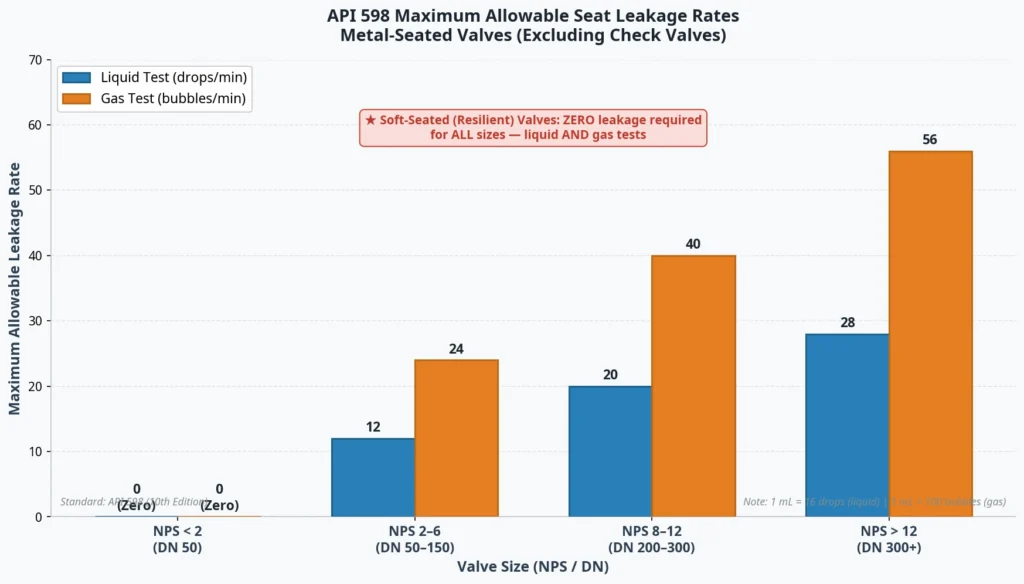
Een 6 inch schuifafsluiter met metalen afdichting mag bijvoorbeeld maximaal 12 druppels water per minuut of 24 gasbellen per minuut bevatten tijdens de lagedruksluitingstest. Het primaire testmedium is water, waarbij het testen met lucht of gas is toegestaan in overleg tussen de koper en de fabrikant, afhankelijk van veiligheidsoverwegingen [3].
ANSI/FCI 70-2: De norm voor regelkleppen
Het Fluid Controls Institute (FCI) ontwikkelde ANSI/FCI 70-2 specifiek voor regelkleppen. Omdat regelkleppen zeer verschillende interne ontwerpen hebben (kooien, gecontourde pluggen, V-poorten), is een enkele “pass/fail” metric zoals API 598 onmogelijk toe te passen [2]. De norm is ook gepubliceerd als IEC 60534-4 voor internationaal gebruik en was voorheen bekend als ANSI B16.104.
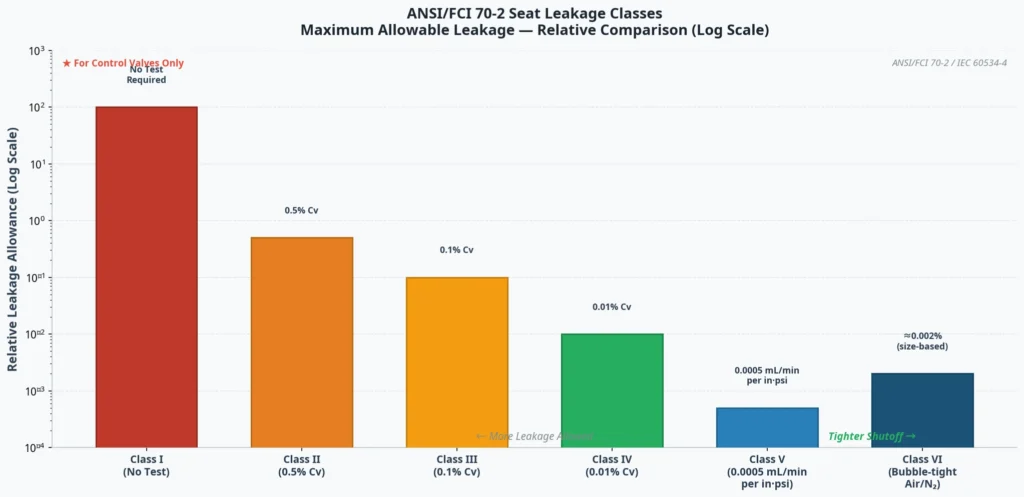
In plaats daarvan stelt FCI 70-2 zes verschillende lekkageklassen (klasse I tot en met klasse VI). Wanneer een ingenieur een regelklep specificeert, moet hij expliciet aangeven aan welke klasse de klep moet voldoen op basis van de procesvereisten.
FCI 70-2 Lekklassen uitgelegd
De zes klassen omvatten een breed scala aan afdichtingsprestaties, van een theoretische “geen test”-overeenkomst bij Klasse I tot de meest stringente bubbeldichte afsluiting bij Klasse VI. Onderstaande tabel vat de belangrijkste parameters voor elke klasse samen [2] [4]:
| Lekklasse | Max. toegestane lekkage | Testmedium | Testdruk | Typische toepassing |
|---|---|---|---|---|
| Klasse I | Geen test nodig | — | — | Niet-kritieke service van nutsbedrijven |
| Klasse II | 0,5% van nominale Cv | Lucht of water, 50-125°F | 45-60 psig | Kleppen met dubbele zitting of gebalanceerde kleppen met enkele zitting |
| Klasse III | 0,1% van nominale Cv | Lucht of water, 50-125°F | 45-60 psig | Hogere dichtheid dan Klasse II |
| Klasse IV | 0,01% van nominale Cv | Lucht of water, 50-125°F | 45-60 psig | Metaal-op-metaal ongebalanceerd eenzitter |
| Klasse V | 0,0005 ml/min per in poortdia per psi ΔP | Water, 50-125°F | Max. dienst ΔP | Kritieke hoge druk, lange sluitingsperioden |
| Klasse VI | Tabel per poortdiameter (bellen/min) | Lucht of N₂, 50-125°F | 50 psig of max. nominale ΔP | Regelkleppen met veerkrachtige zitting (PTFE, O-ring) |
Voor klasse VI wordt de toegestane lekkage uitgedrukt als een absoluut volume op basis van de poortdiameter. Voor een poortdiameter van 6 inch is bijvoorbeeld een maximum van 4,0 ml/min (27 bellen/min) toegestaan, terwijl een poort van 3 inch is beperkt tot 0,9 ml/min (6 bellen/min) [3].
De mythe van klasse VI “Nul lekkage”
Het is belangrijk om op te merken dat FCI 70-2 Klasse VI technisch gezien niet “Geen lekkage”. Voor een klep van 6 inch staat klasse VI wettelijk tot 27 luchtbellen per minuut toe. Hoewel dit praktisch onzichtbaar is in een ronkende pijplijn, is het iets soepeler dan de absolute “nul bellen” die API 598 eist voor isolerende kleppen met zachte afdichting [2]. Dit onderscheid wordt cruciaal bij het specificeren van afsluiters voor giftige gassen, waterstof onder hoge druk of toepassingen waarbij zelfs microscopisch kleine diffuse emissies onaanvaardbaar zijn.
ISO 5208: De internationale gesorteerde standaard
ISO 5208 (Industriële afsluiters - Drukbeproeving van metalen afsluiters) is de internationale norm die in grote lijnen overeenkomt met de Europese EN 12266-1. In tegenstelling tot de binaire ’pass/fail' benadering van API 598, is ISO 5208 gebaseerd op een gegradeerd systeem van lekkageklassen, waardoor ingenieurs acceptatiecriteria contractueel kunnen afstemmen op specifieke operationele risico's [5]. Deze flexibiliteit maakt het de voorkeursnorm voor Europese en internationale projecten, waar het risicoprofiel van een bepaalde service expliciet kan worden opgenomen in de aankoopspecificatie van de klep.
ISO 5208 Lekkagesnelheden (A tot G)
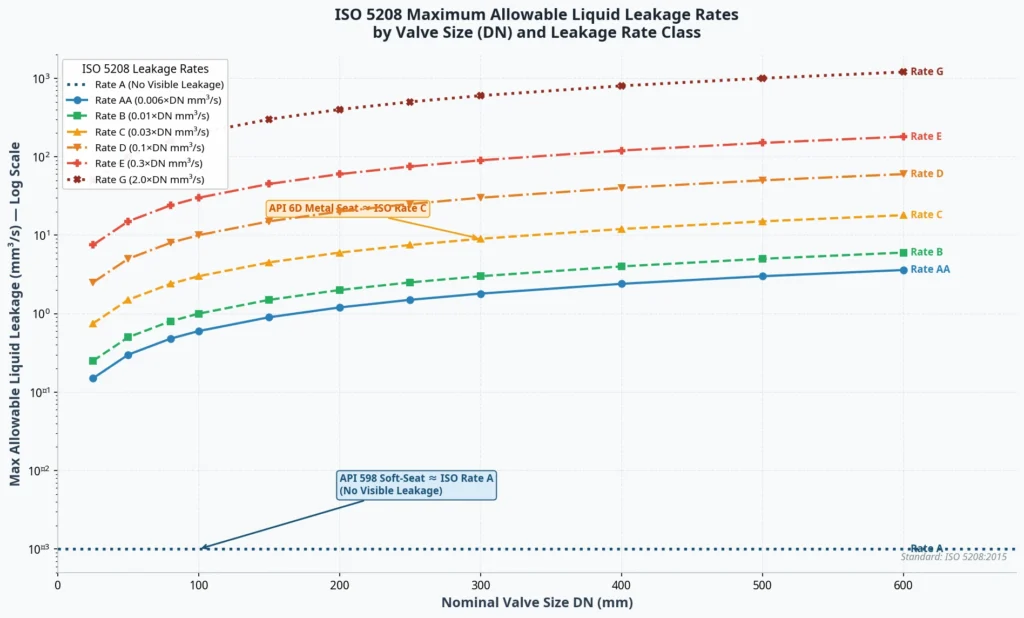
ISO 5208 definieert 10 lekkagewaarden: A, AA, B, C, CC, D, E, EE, F en G, waarbij graad A de strengste is [5]. Een belangrijk kenmerk van het ISO 5208-systeem is dat toegestane lekkage voor de schalen AA tot en met G lineair met de nominale klepmaat (DN), uitgedrukt in mm³/s voor vloeistoffen. Deze DN-proportionele benadering is genuanceerder dan de maatbandbenadering van API 598 en maakt preciezere specificaties over een breed bereik van klepafmetingen mogelijk.
| ISO 5208 Tarief | Vloeistoflekkage (mm³/s) | Gaslekkage (mm³/s) | Dichtstbijzijnde API 598-equivalent | API 6D kruisverwijzing |
|---|---|---|---|---|
| Tarief A | Geen zichtbare lekkage | — | Zachte zitting (geen lekkage) | Kleppen met zachte zitting |
| Tarief AA | 0,006 × DN | 0,18 × DN | — | — |
| Tarief B | 0,01 × DN | 0,3 × DN | Metalen NPS < 2 | — |
| Tarief C | 0,03 × DN | 3 × DN | Metalen NPS 2-6 | Metalen terugslagkleppen |
| Tarief D | 0,1 × DN | 30 × DN | Metalen NPS 8-12 | — |
| Tarief E | 0,3 × DN | 300 × DN | — | API 6A metalen afdichting (hydrostatisch) |
| Tarief G | 2 × DN | 6000 × DN | Terugslagkleppen met metalen afdichting | Terugslagkleppen met metalen afdichting |
Opmerking: CC en EE zijn tussenklassen tussen respectievelijk C/D en E/F. F en G vertegenwoordigen de meest tolerante klassen, die gewoonlijk worden gebruikt voor terugslagkleppen met grote openingen [5] [6].
ISO 5208 en EN 12266-1: de Europese verbinding
Bij de ontwikkeling van ISO 5208 is expliciet rekening gehouden met zowel EN 12266-1 (het Europese testkader) als API 598. De editie 2015 van ISO 5208 voegde zes nieuwe lekniveaus toe (AA, CC, E, EE, F en G) en bevat formele kruisverwijzingstabellen naar zowel API 598 als EN 12266-1 [5]. EN 12266-1 voldoet zelf aan de vereisten van ISO 5208 voor afdichtingsclassificatie, maar mist de AA-, CC- en EE-classificaties. Voor Europese projecten biedt het specificeren van ISO 5208 een bredere dekking en wordt dit beschouwd als de meest uitgebreide keuze.
De juiste standaard kiezen: Een praktisch beslissingskader
Voor pijpleidingtechnici en inkoopteams is de keuze van de leknorm niet louter academisch - het heeft directe gevolgen voor de kosten van de afsluiter, de doorlooptijd en de betrouwbaarheid op de lange termijn. Het volgende raamwerk biedt een gestructureerde aanpak voor de selectie van normen.
Stap 1: Identificeer de klepfunctie. Is de klep een aan/uit-isolatie of een modulerend regelelement? Als het een regelklep is, specificeer dan ANSI/FCI 70-2 en ga verder met het selecteren van de juiste klasse. Als het een isolatieklep is, ga dan verder met stap 2.
Stap 2: Bepaal de regionale en contractuele context van het project. Als het project onder API-normen valt (gebruikelijk in Noord-Amerika, het Midden-Oosten en Azië-Pacific), specificeer dan API 598. Als het project valt onder EN- of ISO-normen (gebruikelijk in Europa en internationale EPC-contracten), geef dan ISO 5208 op met het juiste percentage.
Stap 3: De ernst van de service beoordelen. Specificeer voor services met hoge insluiting (toxische gassen, waterstof, stoom onder hoge druk) de strengste klasse die van toepassing is: API 598 zero leakage of ISO 5208 rate A. Voor gematigde services kunnen ISO 5208 rates C-D aanvaardbaar zijn na een formele risicobeoordeling. Documenteer de beslissing altijd in het inspectie- en testplan (ITP).
De onderstaande tabel geeft een overzicht van aanbevolen normen per toepassingstype:
| Toepassing | Aanbevolen standaard | Lekklasse/Snelheid | Opmerkingen |
|---|---|---|---|
| Algemene aan/uit-isolatie (API-project) | API 598 | Nul (zachte zitting) / Op maat (metalen zitting) | Standaard voor Noord-Amerikaanse projecten |
| Algemene aan/uit-isolatie (ISO/EN-project) | ISO 5208 | Tarief A (zachte zitting) / Tarief C (metalen zitting) | Afgestemd op EN 12266-1 |
| Modulerende regelklep | ANSI/FCI 70-2 | Klasse IV (metalen zitting) / Klasse VI (zachte zitting) | API 598 niet toepassen op regelkleppen |
| ESD-klep (basislijn) | ANSI/FCI 70-2 | Minimaal klasse IV (volgens API 553) | Upgrade naar klasse V/VI voor kritieke services |
| ESD-ventiel (kritieke/toxische service) | API 598 of ISO 5208 | Nul lekkage / Tarief A | Vervuld door TOV's met hoge prestaties |
| Pijpleidingventiel (API 6D) | ISO 5208 (via API 6D) | Tarief A (zachte zitting) / Tarief C (metalen zitting) | API 6D referenties ISO 5208 tarieven |
| Offshore/onderzeese isolatie | API 598 + ISO 5208 | Nul lekkage / Tarief A | Dubbele naleving gebruikelijk in offshore specs |
De juiste norm specificeren voor zware toepassingen
Bij het selecteren van afsluiters voor Emergency Shut-Down (ESD)-toepassingen of ernstige service-isolatie staat er uitzonderlijk veel op het spel. Volgens API 553 moet een ESD-afsluiter presteren op ANSI/FCI 70-2 Niveau IV als basis, maar kritische toepassingen vereisen vaak Klasse V of Klasse VI [7].
In het verleden waren voor een luchtdichte afsluiting van klasse VI zachte elastomeerzittingen nodig (zoals PTFE), die zeer kwetsbaar zijn voor hoge temperaturen en brand. Hierdoor moesten ingenieurs een compromis sluiten tussen een goede afdichting en thermische veerkracht.
Vandaag de dag is geavanceerde techniek in de Drievoudige offset vlinderklep voor ultrahoge druk maakt een metaal-op-metaal afdichting mogelijk die echte bidirectionele nullekkage bereikt in overeenstemming met API 598 [8]. Omdat de afdichting met een koppel wordt bekrachtigd en wrijvingsvrij is, blijft deze lekvrije afdichting zelfs na duizenden cycli behouden.
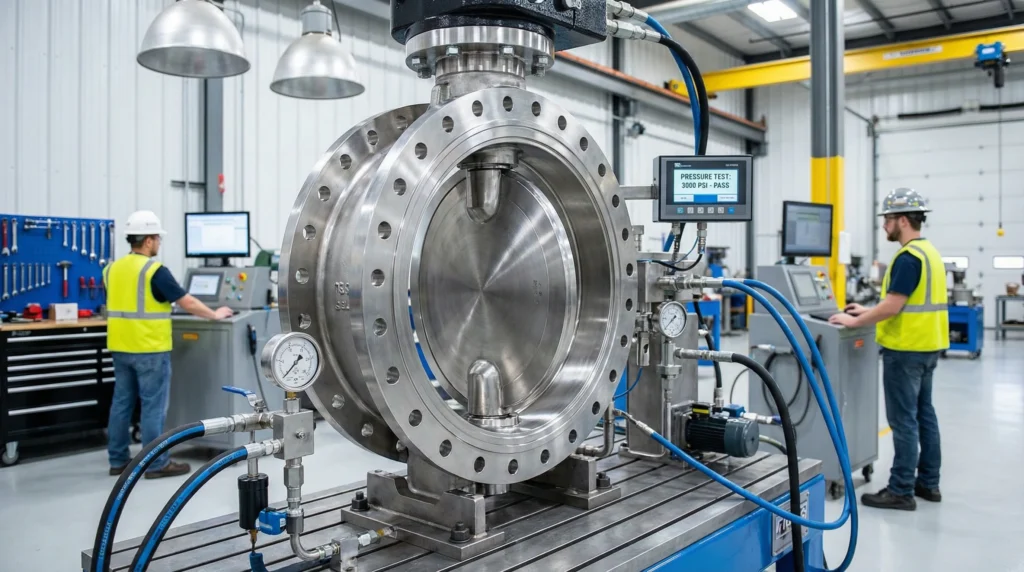
Bij Carter Valves zijn onze Zes-excentrische vlinderkleppen maken gebruik van een gepatenteerde wrijvingsloze nokgeometrie. Dit zorgt niet alleen voor API 598 nul lekkage en ISO 5208 Rate A naleving, maar vermindert ook de operationele torsie met meer dan 30% in vergelijking met de industrie-standaard triple offset vlinderkleppen, waardoor ongeëvenaarde betrouwbaarheid voor kritieke isolatie wordt geboden. Voor ingenieurs die op zoek zijn naar een klep die de traditionele afweging tussen een goede afdichting en prestaties bij hoge temperaturen elimineert, betekent het Hexa-platform een aanzienlijke vooruitgang op het gebied van isolatieklep techniek.
Veelvoorkomende valkuilen in specificaties om te vermijden
Zelfs ervaren ingenieurs kunnen in kostbare valstrikken trappen bij het specificeren van normen voor kleplekkage. De volgende valkuilen behoren tot de meest voorkomende bij inkoop en leveranciersinspectie.
API 598 toepassen op een regelklep. API 598 is ontworpen voor aan/uit afsluiters. Het toepassen op een modulerende regelklep is technisch onjuist en kan ertoe leiden dat de klep wordt afgekeurd tijdens fabrieksacceptatietests, ook al voldoet hij aan de beoogde FCI 70-2 klasse. Routeer regelkleppen altijd volgens ANSI/FCI 70-2 en isolatiekleppen volgens API 598 of ISO 5208.
Klasse VI“ eisen voor een metalen klep met hoge temperatuur. FCI 70-2 Klasse VI is speciaal ontworpen voor regelkleppen met zachte zitting (veerkrachtig). Het specificeren van Klasse VI op een afsluiter met metalen zitting die werkt boven 260°C is technisch niet haalbaar met conventionele ontwerpen, omdat PTFE en elastomeer zittingen niet kunnen overleven bij deze temperaturen. De oplossing is ofwel een precisie klasse V afsluiter met metalen zitting of een Triple Offset vlinderklep met een metaal/grafiet gelamineerde afdichting.
Uitgave drift. De toegestane lekkagewaarden in API 598 zijn tussen edities veranderd. Vermeld de specifieke uitgave altijd in de inkooporder en het inspectietestplan. Als dit niet gebeurt, kan dit leiden tot geschillen tussen de koper en de fabrikant over welke acceptatiecriteria van toepassing zijn.
ISO 5208 Rate A verwarren met “nul lekkage”.” Rate A betekent “geen visueel detecteerbare lekkage”, wat functioneel gelijkwaardig is aan de API 598 soft-seat vereisten. Het is echter geen absoluut nulpunt - het is een visueel inspectiecriterium. Voor toepassingen die gekwantificeerde bijna-nul lekkage vereisen, moet Rate AA of een contractueel gespecificeerde meetmethode worden gebruikt.
Voor meer informatie over vluchtige emissies en lekkagenormen in het kader van de naleving van milieunormen, zie ons gedetailleerde artikel over Normen voor diffuse emissie voor vlinderkleppen. Raadpleeg voor ESD-specifieke lekkagevereisten onze technische handleiding over ESD klepselectie: Lekklasse en slagtijd.
Veelgestelde vragen (FAQ)
1. Is API 598 strenger dan ISO 5208 voor lekkage van de zitting?
API 598 is meestal een go/no-go-norm op basis van het type zitting. Voor zachte zittingen eist API 598 nul lekkage. ISO 5208 is geclassificeerd; de strengste klasse (Rate A) is gelijk aan de nullekkage-eis van API 598.
2. Welke norm heeft betrekking op “klasse VI” dichte afsluiting?
ANSI/FCI 70-2 heeft betrekking op klasse VI. Deze is specifiek voor regelkleppen. Je moet API 598 of ISO 5208 niet gebruiken om lekkageklassen van regelkleppen te specificeren.
3. Kan een klep met metalen afdichting nul lekkage bereiken?
Traditionele schuifafsluiters of kogelafsluiters met metalen afdichtingen bereiken doorgaans FCI 70-2 klasse IV of V. Geavanceerde Triple Offset vlinderkleppen (TOV's) met gelamineerde metaal/grafiet afdichtingen kunnen echter echte API 598 nullekkage bereiken.
4. Wat is het verschil tussen FCI 70-2 klasse VI en API 598 zachte zittingtests?
API 598 eist absoluut geen gasbellen voor afsluiters met zachte afdichtingen. FCI 70-2 Klasse VI, ontworpen voor regelkleppen, staat een zeer klein, kwantificeerbaar aantal bellen per minuut toe op basis van de poortdiameter van de klep.
5. Hoe specificeer ik lekkage voor een ESD-klep (Emergency Shut-Down)?
ESD-afsluiters zijn isolatieafsluiters die snel moeten werken en goed moeten afdichten. Terwijl API 553 een minimum van FCI 70-2 Klasse IV voorstelt, specificeren kritieke ESD-toepassingen in raffinage- en offshore-platforms gewoonlijk API 598 nullekkage of ISO 5208 Rate A, vaak vervuld door TOV's met hoge prestaties.
6. Waar past EN 12266-1 in?
EN 12266-1 is het Europese testkader dat in grote lijnen overeenkomt met ISO 5208. ISO 5208 waarden A tot en met G komen direct overeen met waarden in EN 12266-1.
7. Moet ik een achterbanktest uitvoeren?
Volgens API 598 is een backseattest alleen vereist als het klepontwerp daadwerkelijk een backseatfunctie bevat (vaak voor schuifafsluiters en klepafsluiters). ISO 5208 vereist geen backseattest.
Referenties
[1] NTIA. “API 598 vs. ISO 5208: Acceptatiegids voor het testen van afsluiters.” Noorse Academie voor Technische Inspectie.
[2] JH Valve. “Normen voor lekkage van kleppen: API 598 vs FCI 70-2 (klasse IV vs VI) uitgelegd.” Janhen Klep.
[3] Wermac. “Lekkage van kleppen - Testen API 598, ANSI FCI 70-2, MSS-SP-61 en ISO-norm 5208.” De wereld van piping.
[4] SVF Stroomcontroles. “Complete gids voor lekkageklassen van kleppen (klasse I-VI).” SVF Leercentrum.
[5] Klepspecificaties. “Lekklasse afsluiter, ISO 5208, API 598, EN 12266-1, ANSI/FCI 70-2.” Relia ventiel.
[6] Piping World. “Vergelijking lekpercentages klepzittingen: API 598, ISO 5208, MSS SP-61 Normen.” De technische hulpbron voor piping.
[7] Carter kleppen. “ESD klepselectie: Lekklasse & slagtijd.” Carter Kleppen Blog.
[8] Carter kleppen. “Drievoudige offset vlinderklep vs kogelkraan: Wat is de juiste keuze voor isolatie bij hogedruk toepassingen?” Carter Kleppen Blog.