







Carter Hexa Butterfly Valves

Hexa Butterfly Valves

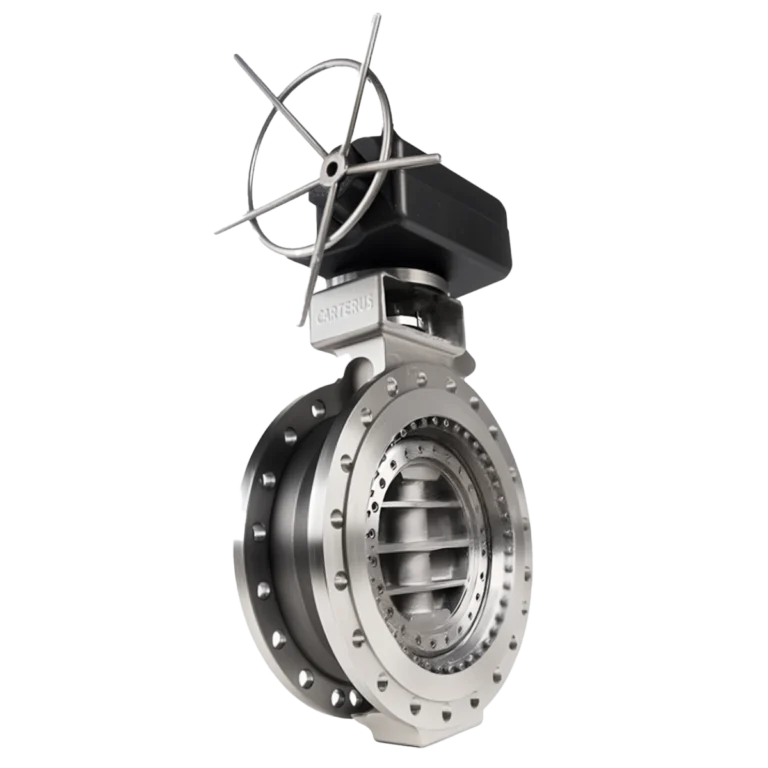
Six-Eccentric

Butterfly Valve

In real plants, isolation valves fail for predictable reasons: repeated thermal cycles change clearances, solids or deposits damage the sealing line, and friction during closing accelerates seat wear. Hexa’s six-eccentric concept is built to address those failure modes with geometry—so sealing happens with controlled contact rather than sliding abrasion.

Instead of relying on a single “ideal cone” relationship, a six-eccentric design allows the sealing engagement to be tuned around the full seat circumference (including the shaft area). The goal is simple: reduce friction during operation, protect the sealing line, and keep shutoff stable over time.

Latest Technology in Butterfly Valves Design

Traditional offset butterfly valves often treat the seat geometry as a fixed cone relationship. That works in clean, steady services—but in severe duty, the real challenge is not “closing once,” it is closing reliably after years of temperature cycling, vibration, and contamination.

Hexa’s design approach focuses on controlling the sealing angle and contact stress distribution around the seat, so the valve can be configured for different risk profiles:

  • Lower friction closing to reduce wear and torque growth

  • Stable shutoff under cycling by managing contact line and load path

  • Better tolerance to shaft-area constraints through geometry that can be tuned around the circumference

If torque, wear, and leak performance change over time, geometry is usually the root cause—Hexa is designed to make that change slower and more predictable.

Our Hexa Butterfly Valves

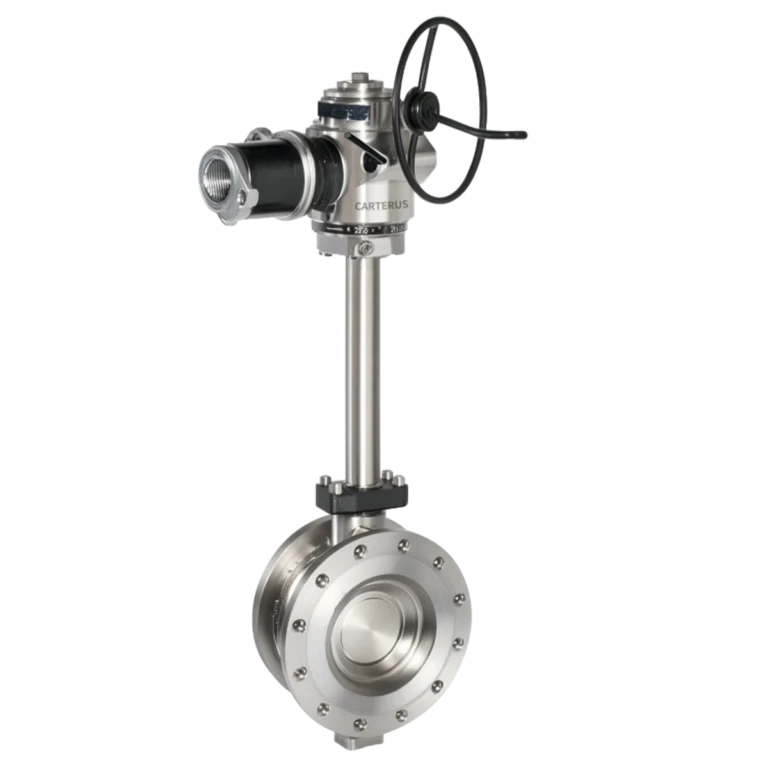
Cryogenic Six-Eccentric Butterfly Valve
Next-Gen Six-Eccentric Butterfly Valve
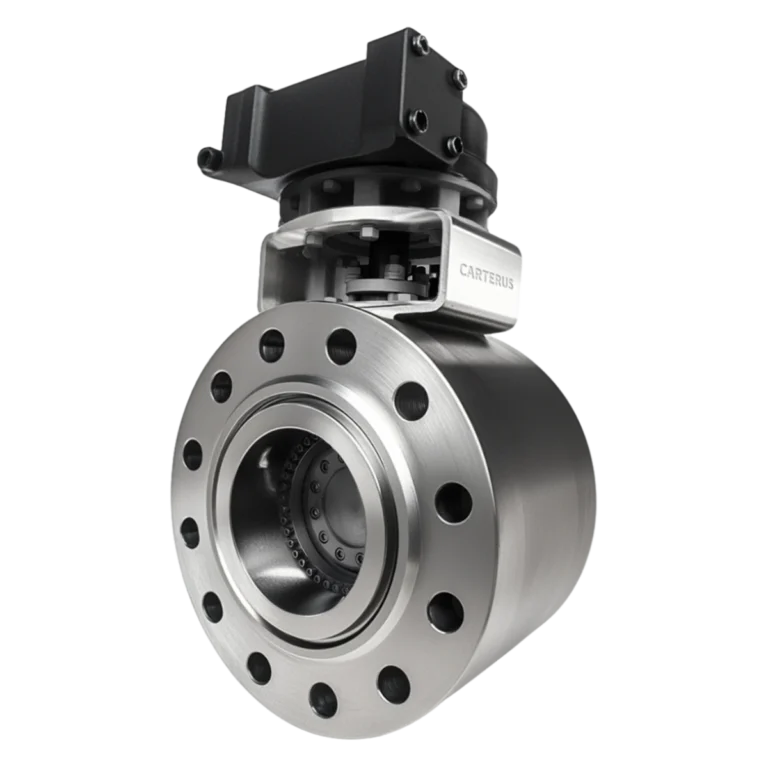
Ultra High-Pressure Triple Offset Butterfly Valve

Hexa for Cryogenic & Extreme Temperature Service

Cryogenic service is unforgiving: materials contract, clearances shift, and sealing lines can drift if the design assumes “room-temperature geometry.” Hexa cryogenic configurations are built around three practical requirements:

  1. Stable shutoff during contraction

    Seat load and contact path are designed to stay controlled when dimensions change.

  2. Stem extension & packing reliability

    Extended bonnet / stem options help keep packing in a manageable temperature zone, improving service life and maintainability.

  3. Material and hardfacing selection by media

    LNG, liquid nitrogen, and mixed cryogenic duties require different combinations of seat/hardfacing—selection is driven by galling risk, erosion, and cleanliness constraints.

The Perfect Solution for Your Application

Performance Data

→ Temperature: -196°C to 1100°C

→ Sealing tolerance: 0.01 mm

→ Surface finish: Ra 0.156 μm

→ Lower torque / energy saving: up to 30% (application-dependent)

→ Shutoff focus: zero-leakage isolation

Standards

ISO 9001

PED 2014/68/EU (project support)

ASME B16.34 (by request)

API 609 / EN 593 (by request)

ISO 5211 (actuator mounting)

Special Solutions

Sealed bearing design

Monitoring port

Shaft / stem extensions (cryogenic / insulation)

Steam jacket / heat management

Actuation packages (manual / gearbox / pneumatic / electric)

Boundless Service Conditions: Redefining Performance Limits

Hover a bar to see the exact value.

Minimum Temperature (°C) Maximum Temperature (°C)

Absolute Reliability

Verifiable Zero Leakage

0.0004 inch

Sealing surface profile tolerance. Through verifiable micron-level precision engineering, we physically eliminate the conditions that cause leakage—supporting safety and environmental compliance across the full service lifecycle.

Ra 0.156 µm

Sealing surface roughness approaching a mirror finish, helping maintain consistent contact and stable shutoff performance under demanding duty conditions.

Ultimate Efficiency

Torque Revolution: Lower Cost, Longer Life

Thanks to our frictionless cam geometry, the CARTERUS’s operating torque is over 30% lower than industry-standard triple offset butterfly valves. This directly translates to smaller, more economical actuator sizing and reduced long-term operating energy costs.

Built for Stability: Maximizing Total Lifecycle Value

Traditional Maintenance Challenges

  • High Skill Requirements

    Seal replacement requires precise angular positioning, prone to rework due to human error.

  • Accidental Damage Risk

    Without chamfer design, installation can easily scratch precision sealing surfaces.

  • Extended MTTR

    Complex procedures lead to longer downtime, impacting production efficiency.

The CARTERUS Simplified Approach

  • No Angular Positioning Required

    Non-directional seal design allows any qualified technician to complete replacement quickly and accurately.

  • End Face Chamfer Design

    Eliminates accidental interference, protects critical components, extends valve life.

  • Maximized Equipment Uptime

    Simplified maintenance significantly reduces Total Cost of Ownership (TCO).

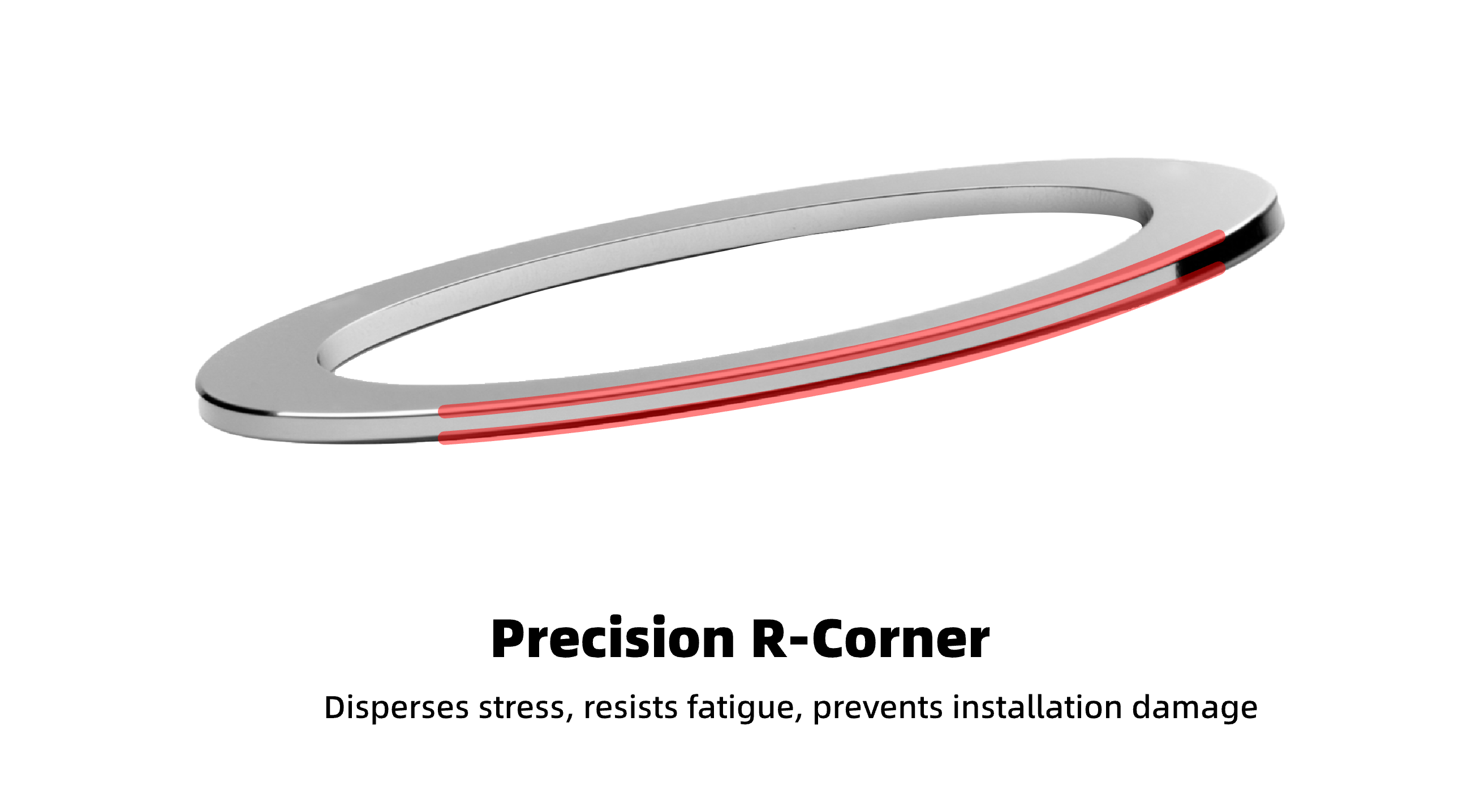
Seal ring with precision radius corner transitions

Robust Seal Ring: Eliminating Failure at the Source

Engineering Perspective:

We’ve transformed traditional sharp-edged seal rings with precision radius corner transitions.

Customer Value:
  • 1. Fatigue Resistance, Extended Life:

    The radius design effectively distributes high pressure and thermal stress, preventing stress concentration micro-cracks, dramatically extending seal life under severe service conditions.

  • 2. Damage Prevention, Worry-Free Maintenance:

    Smooth edges prevent impact damage during installation or transport, ensuring 100% sealing performance restoration after every maintenance cycle.
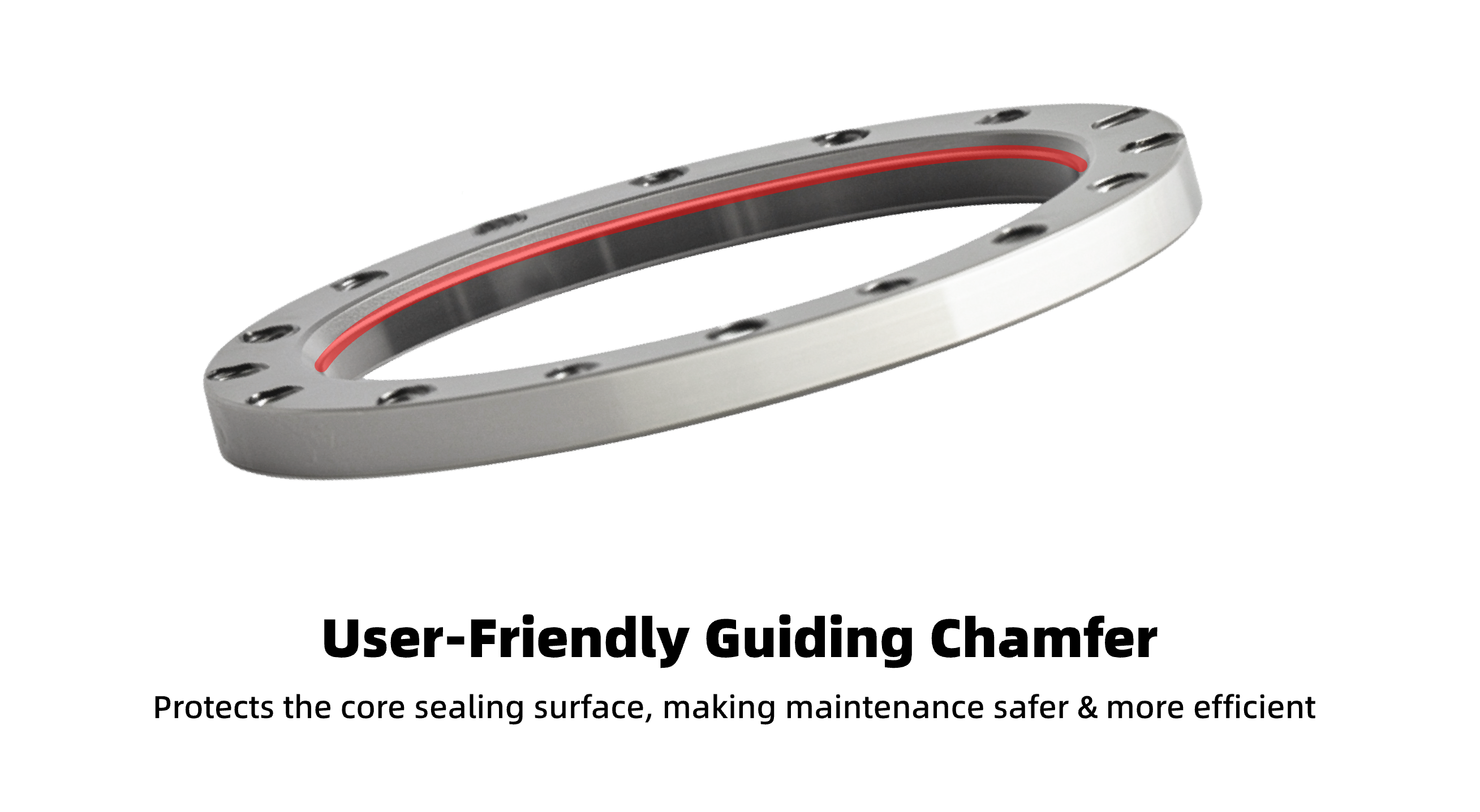
Seal ring guiding chamfer design to protect sealing surface

User-Friendly Guide Design: Protecting Core, Simplifying Maintenance

Engineering Perspective:

We machine large guide chamfers at the valve body sealing surface entrance, creating smooth transitions to the core sealing surface.

Customer Value:
  • 1. Core Sealing Surface Protection:

    Acting like a safety guide ramp, it ensures precise seal ring insertion during installation, completely eliminating the risk of scratching the mirror-finish (Ra 0.156µm) core sealing surface—our hardware-level guarantee for “zero leakage.”

  • 2. Simplified Maintenance, Reduced Downtime:

    This “mistake-proof” design enables faster, safer field maintenance without excessive reliance on operator experience, significantly reducing Mean Time To Repair (MTTR) and improving equipment availability.