





Butterfly valves are widely used flow control devices across industrial process systems due to their compact form factor, cost-effectiveness, and relative ease of automation. In critical isolation and severe-service applications—where leakage, durability, and repeatable shutoff directly impact safety and uptime—standard commodity butterfly valves may not meet performance requirements without careful specification.
This guide explains key design principles of butterfly valves, important selection criteria for severe service and critical isolation, and when engineered solutions are necessary for applications such as high-temperature refining, cryogenic liquefied gas isolation, and cyclic pressure service.
What Is a Butterfly Valve?
A butterfly valve controls flow by rotating a disc within the valve body about a central (or eccentric) shaft:
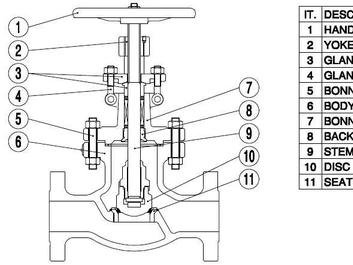
- Disc: Primary flow obstruction element.
- Seat: Elastomeric or metal sealing surface that mates against the disc.
- Shaft and Bearings: Transmit torque from actuator to disc.
- Body: Housing compatible with the piping system.
In basic designs, the disc resides on the valve centerline and uses a resilient seat for sealing. While suitable for general on/off or throttling service at moderate conditions, this configuration has limitations in critical isolation, high temperature, and high cycle applications.
You maybe interested in How a Butterfly Valve Works.
Understanding Severe-Service and Critical Isolation
For this guide:
- Critical isolation describes shutoff applications where leakage must meet defined tightness or zero-leakage expectations per industry test standards.
- Severe service refers to conditions involving:
- Elevated temperature (e.g., FCCU reactors)
- Cryogenic temperatures (e.g., LNG)
- Abrasive or erosive media
- Frequent cycling
- High differential pressure
In these environments, valve performance is governed by mechanical design, sealing geometry, and materials. User requirements should be translated into quantifiable specifications, including allowable leakage class, temperature range, cyclic life, and pressure class.
Butterfly Valve Types for Severe Service
High Performance Butterfly Valves (HPBV)
High performance butterfly valves incorporate enhanced body and seat designs to extend pressure and tight shutoff capability beyond basic resilient seated types. They typically include:
- Segmental or molded seats with higher durometer elastomers
- Precision machining to improve seat/disc conformity
- Actuator interfaces sized for consistent torque
Use cases include moderate temperature process service where tighter shutoff (e.g., better than ANSI Class II/III) is required, and where flange ratings extend up to ASME Class 600.
Metal-to-Metal Seated Butterfly Valves
In high temperature applications above elastomer limits or where elastomers are chemically incompatible, metal-to-metal seating provides:
- A sealing interface between hardened disc periphery and precision machined seat face
- Lower reliance on soft materials that degrade at elevated temperatures
Metal-to-metal seats must be specified with clear leakage expectations and tested to recognized standards (e.g., API 598 or equivalent), and are generally selected when fluids, heat, or abrasion preclude elastomeric materials.
Triple Offset Butterfly Valves (TOV)
Triple offset butterfly valves are engineered for zero leakage isolation in critical applications where:
- Tight shutoff throughout the valve life cycle is necessary
- Media conditions involve pressure, temperature, or corrosivity that challenge traditional seals
The “triple offset” refers to three engineered offsets in disc/seat geometry that:
- Eliminate rubbing during operation
- Create a true conical sealing surface
- Enable metal-to-metal sealing without wear from cyclic motion
Triple offset valves are often specified for severe applications such as:
- Refinery isolation where fugitive emissions or hydrocarbon leakage is unacceptable
- Utilities isolation in power generation
- Chemical service with stringent shutoff criteria
Carefully define the expected leakage class (e.g., bubble-tight per customer requirement) and request verification testing from suppliers where applicable.
Six-Eccentric Butterfly Valves (Carter Valve Signature Line)
Six-eccentric designs build upon triple offset fundamentals with additional geometric refinements that:
- Reduce sealing torque
- Minimize seat wear over repeated cycles
- Improve mechanical reliability in hostile conditions
These engineered valves are particularly effective in services where cyclic thermal gradients cause frequent expansion and contraction, such as:
- Molecular sieve regeneration
- Catalytic reforming reactors
- Cryogenic processing trains
Six-eccentric valves should be selected when customers require consistent, repeatable performance without seat interference throughout a broad range of operating conditions.
Key Selection Parameters
To specify a severe-service butterfly valve for critical isolation, capture the following parameters in your requisition package:
1. Operating Temperature and Media
- List fluid composition, temperature range, and phase state.
- For cryogenic service (e.g., LNG), verify seat materials and thermal stresses.
- High temperature environments may necessitate metal seats or special coatings compatible with fluid chemistry.
2. Pressure Class and Differential
- Define maximum operating pressure and expected ΔP across the valve.
- Pressure classes influence body wall thickness, flange intersection, and actuator torque requirements.
3. Shutoff Requirements
- Quantify allowable leakage with a standard reference (e.g., API 598, MSS SP-68, EN 12266).
- “Zero leakage” must be tied to a standard and include test conditions such as test medium and pressure.
4. Cyclic Duty and Life Expectancy
- Frequent actuation accelerates wear on seats and bearings.
- Specify expected cycle counts or service life to guide material and design selection.
5. Actuation and Control
- Match actuation torque to valve type: engineered metals seats and zero-leakage designs often require larger actuators.
- Confirm whether the valve will operate in on/off mode or require modulating control.
Material Selection Considerations
Valve materials must be compatible with process fluids and temperature. Typical options:
- Body: Carbon steel, stainless steels, duplex alloys — depends on corrosion and pressure requirements.
- Disc: High strength alloys or coated materials to resist erosion.
- Seat: Elastomers for moderate conditions; metal alloys (e.g., stainless, nickel) for high temp and abrasive service.
When specifying elastomers, provide chemical compatibility data and temperature articulation. For metal seats, request hardness and finish criteria to ensure predictable sealing.
Installation and Maintenance Basics
Proper installation and commissioning contribute to long service life in critical applications:
- Ensure piping is aligned and supported to avoid distortion loads on the valve.
- Verify torque values and actuator calibration per manufacturer instructions.
- Pressure test the valve in situ under controlled conditions to validate sealing performance.
Routine maintenance should include:
- Actuator linkage inspection
- Seat leak checks
- Cycle verification under controlled conditions
For severe service valves, work with vendors that can provide documentation of testing (e.g., seat leakage testing, hydrostatic tests) and local technical support to resolve service issues.
When to Choose Engineered Valve Solutions
Commodity butterfly valves serve general applications well, but they are not always suitable where performance cannot be compromised. Engineered valve solutions—such as triple offset or six-eccentric designs—are appropriate when:
- A defined leakage class must be met over the life of the valve
- Service involves high thermal gradients or extreme temperatures
- Abrasion and cyclic duty exceed commodity seat capabilities
- Regulatory or safety requirements mandate robust isolation verification
Ensure specifications are based on measurable criteria: temperatures, pressures, leakage class, cycle life, and actuation requirements. Ask vendors to confirm compliance with documented tests or standards where applicable.
More reading about the importance of zero leakage.
Conclusion
Selecting the right butterfly valve for critical isolation and severe service requires more than referencing nominal size and pressure class. Technical decisions around seat design, geometric offsets, materials, and testing criteria directly influence operational reliability, safety, and lifecycle cost.
By defining performance requirements in quantifiable terms and engaging engineered valve solutions where necessary, procurement and engineering teams can reduce risk and achieve predictable performance in demanding industrial applications.Now contact us for customized solution.