




تفاصيل المنتج
نظرة عامة على المنتج
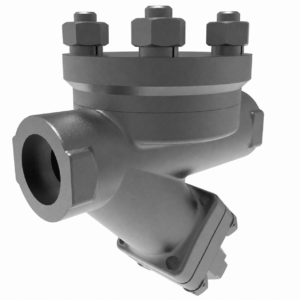
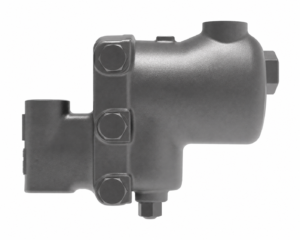
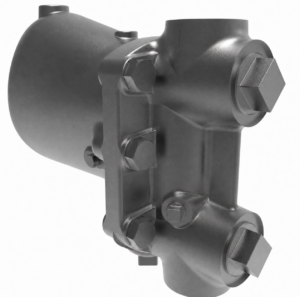
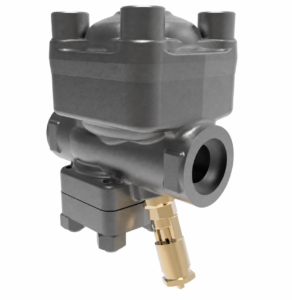
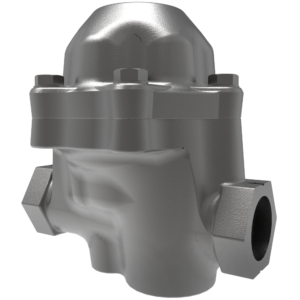
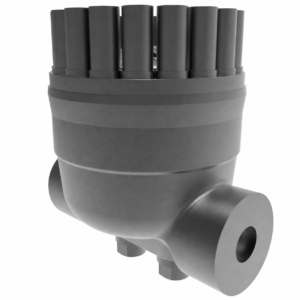
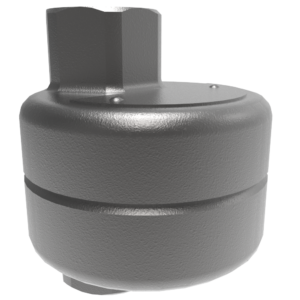
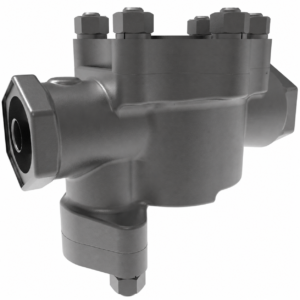
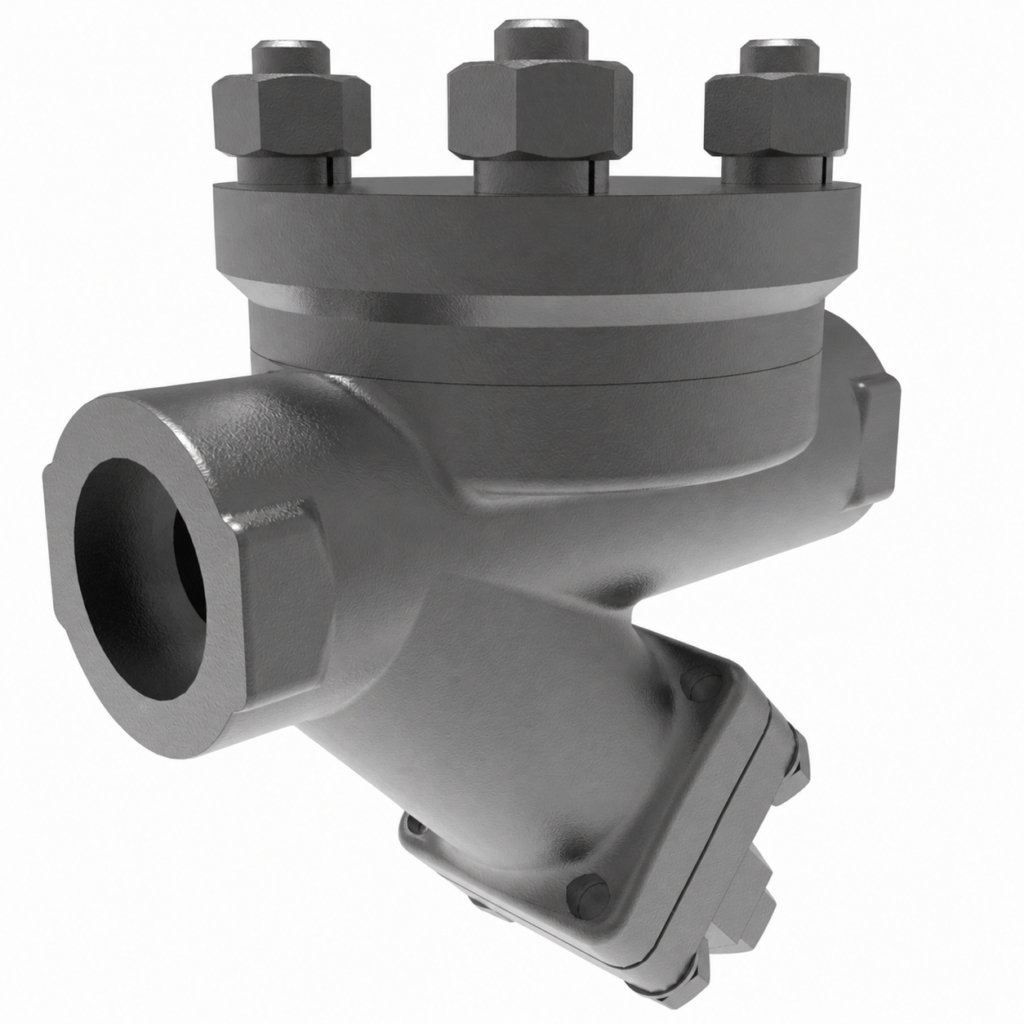
تم تصميم CVS-02 للتركيبات التي تحتاج إلى تفريغ مكثفات يمكن الاعتماد عليها من جسم ديناميكي حراري مدمج. إن هيكل القرص المقوى، والحافة المصنوعة من الفولاذ المقاوم للصدأ، وإمكانية الخدمة المدمجة تجعلها مناسبة عمليًا لخطوط المرافق، ومعدات المعالجة، وأعمال الاستبدال. مصيدة البخار الحرارية الديناميكية الحرارية مخصصة لمهام البخار الصناعي والمكثفات حيث التفريغ الموثوق والتشغيل المستقر والوصول العملي للصيانة. في خدمة المصنع، من المتوقع أن تنقل مصيدة البخار المكثفات بكفاءة، وتستجيب لتغيرات الحمل، وتظل سهلة الفهم للمشغلين وفرق الصيانة. تم وضع مجموعة المنتجات هذه لهذا النوع من العمل بالضبط. فهي تجمع بين الهيكل الصناعي المدمج وخيارات التصميم الداخلي التي تركز على الخدمة والتي تدعم التصريف المتسق والتركيب الأسهل عبر نقاط الخدمة المتكررة. والنتيجة هي مصيدة يمكن استخدامها في معدات المعالجة ورؤوس المرافق والمصارف الفرعية دون إضافة تعقيدات غير ضرورية إلى تخطيط الأنابيب. بالنسبة للفرق التي تقوم بتوحيد نظام البخار، فإن مثل هذه المصيدة مفيدة لأنها تحافظ على بساطة منطق الخدمة مع السماح في الوقت نفسه بمطابقة الاختيار مع ظروف التشغيل الحقيقية في الموقع.
ملاحظات البناء والتشغيل
يبدأ الاختيار بغلاف التشغيل. يساعد نطاق الحجم المتاح من NPS 3/8 - 1 (DN 10 - 25) على تحديد المكان الذي يمكن استخدام المنتج فيه، بينما تحدد قدرة الضغط من فئة ASME 600/900؛ حيث إن ضغط ASME 600/900؛ PMO حتى 1000 رطل لكل بوصة مربعة يحدد نطاق العمل للخدمة. تسهِّل خيارات التوصيل القياسية للحام المقبس واللولب واللحام التناكبي والشفة من مطابقة المصيدة مع معيار الأنابيب المستخدم بالفعل في الموقع. مفهوم التشغيل المدرج لهذا الطراز هو مصيدة بخار ديناميكية حرارية مع قرص عائم مقوى من الفولاذ المقاوم للصدأ، وأفضل وصف لأسلوب البناء هو حواف من الفولاذ المقاوم للصدأ؛ حشيات لولبية الجرح حلزونية مع الجرافيت. في الاستخدام العملي، هذا يعني أن المصيدة مصممة للتعامل مع الدورات الحرارية المتكررة، وتغيرات تدفق المكثفات، والتآكل العادي الذي يأتي مع خدمة البخار الصناعي. بالنسبة لفرق الصيانة، تعتبر الأجزاء الداخلية التي يمكن الوصول إليها والبنية القابلة للتكرار مهمة لأنها تقلل من وقت استكشاف الأخطاء وإصلاحها وتجعل الصيانة المخطط لها أسهل في الإدارة. يدعم تصميم القرص الديناميكي الحراري تصريف المكثفات المدمج والفعال. تدعم الحواف المصنوعة من الفولاذ المقاوم للصدأ وحشيات الجرافيت الحلزونية الملفوفة الحلزونية المتانة. يحسّن القرص المقوى والمقعد ذو الوجه الصلب CoCr من مقاومة التآكل. وتساعد هذه التفاصيل معًا على ملاءمة المنتج مع ممارسات نظام البخار القياسية بدلاً من فرض حل مخصص لكل نقطة تصريف.
لماذا يعمل في النباتات الحقيقية
عبر محطة عاملة، لا تكمن قيمة مصيدة البخار في تصنيفها الاسمي فحسب، بل في استمرارها في أداء وظيفة بسيطة بشكل جيد مع مرور الوقت. تهدف مصيدة البخار الديناميكية الحرارية إلى دعم هذا التوقع من خلال منح الفرق خيارًا عمليًا من الدرجة الصناعية لإزالة المكثفات. إنه مناسب للمواقع التي تكون فيها المساحة محدودة، وحيثما يكون اتساق الصرف مهمًا، وحيثما يريد المشغلون مجموعة منتجات يمكن تكرارها عبر نقاط خدمة مماثلة. نوع الخدمة: مصيدة بخار ديناميكية حرارية لتصريف المكثفات الصناعية. نمط الهيكل: هيكل مدمج عالي الضغط مع أقراص داخلية صلبة. تصنيف الضغط: فئة ASME 600/900؛ PMO حتى 1000 رطل لكل بوصة مربعة. عندما تتم مراجعة ظروف العملية الفعلية في وقت مبكر، يمكن مطابقة المنتج بشكل أكثر دقة مع متطلبات الخدمة، مما يساعد على تقليل المفاجآت أثناء بدء التشغيل والصيانة اللاحقة. بالنسبة لفرق المشتريات، يعني ذلك توحيدًا أسهل؛ وبالنسبة للفرق الهندسية، يعني ذلك مسار مواصفات أوضح؛ وبالنسبة للفنيين، يعني ذلك تخطيطًا مألوفًا للمنتج يسهل فحصه وتركيبه واستبداله عند الحاجة. وصول مباشر للخدمة أيضًا، حيثما كان ذلك مناسبًا، يمكن أن تساعد الخيارات المدرجة لسدادة التفريغ ذات الفتحة npt وصمام التفريغ ووحدة ملك الأنابيب في تكييف التكوين النهائي مع متطلبات المصنع المحددة.
ملاحظات الاختيار للمشترين
لتحديد أفضل تهيئة، راجع حجم الخط ومساحة التركيب ومعيار التوصيل وظروف البخار أو المكثفات المتوقعة. ضع في اعتبارك ما إذا كانت الخدمة مستمرة أو متقطعة، وما إذا كان الخط يشهد تقلبات متكررة في الأحمال، وما إذا كان سيتم تركيب المصيدة على خط رئيسي أو فرع المعدات أو نقطة المرافق. تعتمد الإجابة الصحيحة على صورة التشغيل الكاملة، وليس على قيمة واحدة فقط في الرسم. بالنسبة لأعمال الاستبدال، يمكن أن تؤدي مطابقة التوصيلات الطرفية الحالية ونطاق الحجم إلى تبسيط تخطيط الإغلاق. بالنسبة للمشاريع الجديدة، يمكن أن يساعد توحيد مصيدة البخار الحرارية الديناميكية الحرارية حيثما كانت المهمة متشابهة في الحفاظ على فاتورة المواد أكثر تنظيمًا وتقليل التباين عبر نظام المكثفات. إذا كان التطبيق يتطلب مقاومة للتجمد، أو حماية من التدفق العكسي، أو تحمل المطرقة المائية، أو خيار محدد للتحكم في درجة الحرارة، فيجب التحقق من هذه المتطلبات مقابل مواصفات المصدر وظروف تشغيل الموقع قبل الاختيار النهائي.