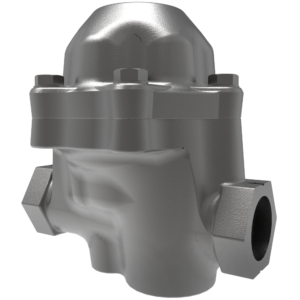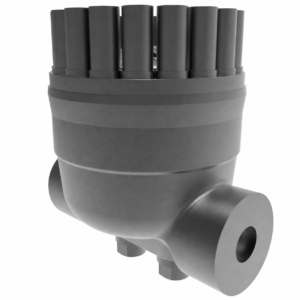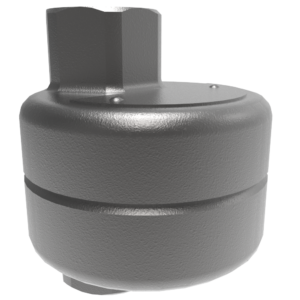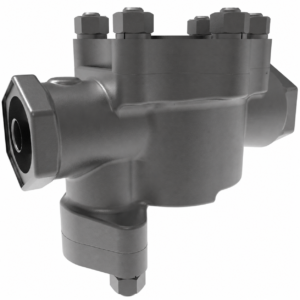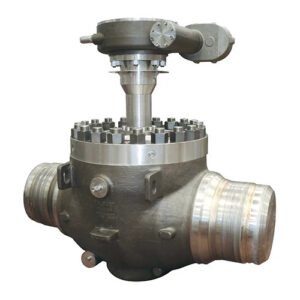





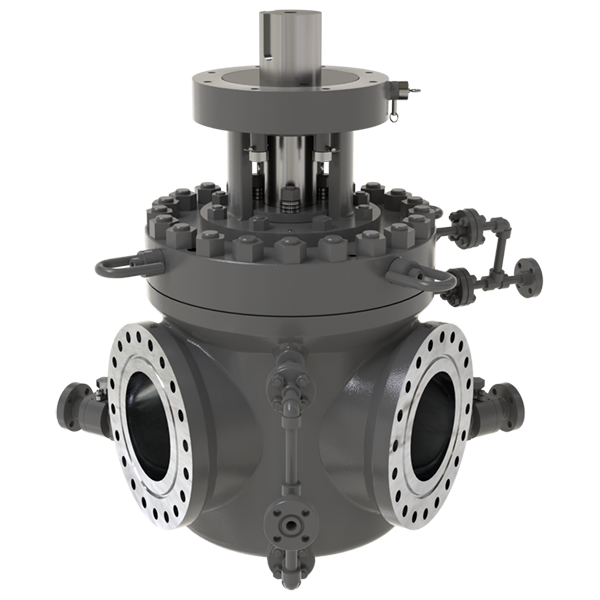
ディレイドコーキングスイッチングボールバルブ

Carter Valve CVS-17 is a switching ball valve for delayed coking service. It is built for severe thermal and erosive duty, with pressure-class options, multiple body materials, and required purging arrangements.

CVS-17

ディレイドコーキングスイッチングボールバルブ

商品詳細

信頼性の高いボールバルブアイソレーション

The Delayed Coking Switching Ball Valve is developed for industrial projects that need dependable ball valve isolation with a practical, service-focused construction. As a switching ball valve, it is intended to provide clear on/off control while keeping the valve package straightforward for engineers, buyers, installers, and maintenance teams. Carter Valve CVS-17 is a switching ball valve for delayed coking service. It is built for severe thermal and erosive duty, with pressure-class options, multiple body materials, and required purging arrangements. In real plant environments, isolation valves are expected to close securely, operate predictably, and fit into the piping layout without creating unnecessary installation complexity. This product addresses those needs by combining a compact valve format with application-ready configuration choices. The result is a valve that can be used across repeated shut-off points while still allowing the specification to be adjusted around media, pressure, temperature, connection standard, and site operating requirements. Whether the valve is installed on utility service, process piping, equipment packages, or auxiliary systems, its role is to make line isolation easier to manage and more consistent across the project.

サービス状況に応じた構成

Selection flexibility is an important part of the Delayed Coking Switching Ball Valve. The available size range of 6 to 16 in (160 to 400 DN) helps the valve cover common industrial piping requirements, while the industrial piping connection format supports practical integration with the surrounding line design. The pressure capability is described as asme 600 / 900, so final selection should always consider the real pressure, temperature, and media conditions of the service. Body material choices include a217-c12, a217-c12a, a351-cf8m, a182-f9, a182-f91, a182-f316, allowing the valve to be matched to corrosion expectations, project standards, and procurement preferences. Seat and sealing choices are equally important because they affect operating torque, shut-off performance, chemical compatibility, temperature capability, and wear resistance. For this product, seat options include service-matched seat materials, giving engineers a useful set of choices for general utility service as well as more demanding process duties. The operating method is manual or automated operation, which helps buyers align the valve with manual operation, automation planning, or package requirements where applicable.

インストールとメンテナンスの実用的価値

For installers and maintenance teams, a good ball valve must be easy to understand and efficient to work with. The Delayed Coking Switching Ball Valve is intended to support that kind of practical use. It can be applied in services such as industrial process and utility media, provided the selected materials and seats are compatible with the actual operating conditions. Built for switching duty in delayed coking systems. Multiple body material choices support high-temperature service. RFF and RTJ ends simplify process integration. These details help reduce leakage risk, simplify operation, and support repeatable shut-off performance across plant service points. ASME 600 / 900 class service. 6 to 16 in size range. Body material options for severe-duty builds. For procurement teams, this makes the valve easier to standardize across similar applications, reducing the number of unrelated valve types that need to be purchased, documented, and stocked as spares. For project teams, the benefit is a cleaner specification path: define the service conditions, choose the right connection and material configuration, and keep the overall valve family consistent where the duty is similar. Carter Valve can support selection by reviewing media, working pressure, temperature range, end connection, actuation needs, and sealing requirements so that SKU CVS-17 is supplied in a configuration that fits the intended operating environment.

プロジェクトチームの選考サポート

When this valve is specified for a new project or replacement program, the most reliable approach is to start from the actual service conditions rather than choosing by nominal size alone. Important details include the fluid type, normal and maximum working pressure, operating temperature, cycling frequency, installation orientation, available space, and whether the line requires manual operation or future automation. These factors influence the best body material, seat material, connection standard, and accessory choices. By reviewing these conditions early, buyers can avoid over-specifying simple utility valves while still protecting the service life of valves used in more demanding duties. The Delayed Coking Switching Ball Valve is therefore suitable for both standardized purchasing programs and project-specific valve schedules, giving teams a consistent ball valve platform that can be adjusted where the application requires closer attention.

項目詳細
バルブタイプSwitching ball valve
サイズ範囲6 to 16 in (160 to 400 DN)
圧力クラスASME 600 / 900
ボディ素材A217-C12, A217-C12A, A351-CF8M, A182-F9, A182-F91, A182-F316
エンド・コネクションRFF or RTJ
PurgingType II (Body), Type III (Drain)
代表的なアプリケーションDelayed coking switching operations
  • Built for switching duty in delayed coking systems.
  • Multiple body material choices support high-temperature service.
  • RFF and RTJ ends simplify process integration.
  • Required purge arrangement is part of the service concept.
  • Designed to handle harsh cycle conditions with stable operation.

関連商品

その他のソリューションをお探しですか?

お客様の業界の課題に合わせて構築された当社の製品群をご覧ください。

お問い合わせ

見積依頼

お問い合わせ